Do Vegans Eat Honey? Understanding the Controversy Surrounding Honey in a Vegan Diet
When you think of veganism, you might picture a diet rich in vegetables, fruits, grains, and nuts. But one question often buzzes around this plant-based lifestyle: do vegans eat honey? This question sparks debate among vegans and non-vegans alike, delving into the ethics of animal products and the definition of veganism itself.
To understand why honey is a hot topic, it helps to know a little about what veganism stands for. Vegans choose to avoid all animal products, whether it’s meat, dairy, or eggs. This dietary choice typically stems from concerns about animal welfare, the environmental impact of animal agriculture, and sometimes health reasons. Adding honey, a product made by bees, into the mix creates a conflict for many who follow this lifestyle.
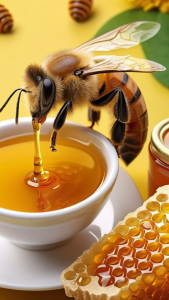
Bees play a crucial role in producing honey. They collect nectar from flowers, convert it through a process of digestion and evaporation, and store it in hexagonal wax cells. This intricate process shows that honey isn’t just a simple food item; it’s a product of animal labor. Many vegans argue that by consuming honey, they contribute to the exploitation of bees, which goes against the core principles of veganism.
- Animal Exploitation: Many vegans feel that honey production exploits bees. Commercial beekeeping can involve practices that harm bee colonies, such as artificial insemination of queen bees and the culling of weak hives.
- Environmental Impact: Some methods of mass honey production can negatively impact ecosystems. For example, beekeepers sometimes place hives in areas where bees disrupt local flora and fauna.
- Health Considerations: While honey does have some health benefits, such as antibacterial properties, many vegans find similar or better benefits from plant-based alternatives like agave syrup or maple syrup.
On the other hand, some people who identify as vegan do consume honey. They may argue that local, sustainable honey production can be beneficial for the environment and that beekeepers often prioritize bee health. This viewpoint emphasizes the relationship between bees and humans, suggesting that responsibly harvested honey does not harm bee populations.
This division leads to different labels among those who follow a vegan lifestyle. Some prefer terms like “plant-based” if they occasionally include honey in their diets. This distinction helps clarify their stance on animal products while allowing for a flexible approach to eating.
Understanding the controversy around honey requires examining personal beliefs. For some, veganism is a strict diet that excludes anything derived from animals, including honey. For others, the focus is more on reducing harm and supporting sustainable practices. Before you decide to incorporate honey into your diet or avoid it as a vegan, consider these important points:
- Your Values: Reflect on what veganism means to you. Is it strictly about avoiding animal products, or does it encompass a broader ethical approach where sustainability matters?
- Education: Educate yourself on honey production methods. Not all honey is produced in harmful ways. Some beekeepers practice ethical methods that protect bee health.
- Alternatives: If you choose to avoid honey, explore plant-based sweeteners that can provide similar taste and health benefits, allowing you to maintain a vegan lifestyle without compromise.
As this debate continues, the most important consideration is your personal choice and how it aligns with your values. It’s crucial to engage with both sides of the discussion to fully understand the implications of your dietary choices. Whether you decide to indulge in honey or completely avoid it, your decision can reflect your commitment to ethical eating and environmental responsibility.
The question of whether vegans eat honey leads us into deeper conversations about animal welfare, ethics, and personal beliefs. As you navigate veganism, keep in mind that each person’s path is unique; what’s important is finding what works best for you while remaining respectful of the diverse opinions within the vegan community.
Ultimately, whether to eat honey is a personal decision tied to individual values and understanding of the implications of that choice. By engaging thoughtfully with this question, you can contribute to a more informed and respectful dialogue about veganism and honey consumption.
The Ethical Implications of Consuming Honey: Insights for Conscious Consumers
The choice to consume honey brings up significant ethical questions for many people, particularly those who identify as vegans or conscious consumers. While honey is a natural product, its production involves the use of bees, which raises concerns about animal welfare and environmental impact.
First, it’s important to understand what honey is. Honey is a sweet substance made by bees from the nectar of flowers. Bees work hard to produce honey, which they store as food for their colonies. This raises the question of how much harm is done to the bees in the process of harvesting honey. Some argue that commercial beekeeping can lead to practices that neglect bee welfare, such as overcrowding hives or using chemical treatments for pests.
For conscious consumers, understanding the different types of honey production is key. There are two primary methods: commercial and sustainable. Commercial honey often focuses on high yields and profit, potentially at the expense of bee health. On the other hand, sustainable honey producers prioritize the well-being of the bees and their habitats. They may also employ bee-friendly practices that allow colonies to thrive, ensuring a healthy ecosystem.
Let’s explore some critical points regarding the ethical implications of consuming honey:
- Bee Welfare: The main ethical concern revolves around how bees are treated. Are they subjected to stress, overcrowding, or harmful chemicals? Understanding a brand’s beekeeping practices is crucial.
- Environmental Impact: Honey production can have varying effects on the environment. Large-scale operations may lead to habitat loss for bees and other pollinators due to monoculture farming, whereas smaller, local producers may help maintain local ecosystems.
- Natural vs. Refined: Most consumers may not realize that some honey is processed and refined, losing nutritional value. Raw honey, often sourced from small producers, tends to retain its natural benefits, but it’s vital to consider how this honey was produced.
- Bee Population Decline: Beekeepers often face a growing challenge with dwindling bee populations. This leads to a reflection on how honey consumption affects demand and what sustainable solutions can be implemented to protect bees.
- Education and Awareness: Knowing where honey comes from and how it is harvested can help consumers make informed choices. Supporting ethical brands can also be a way to advocate for better practices in the industry.
When you think about incorporating honey into your diet, it’s good to ask several essential questions. Where is the honey sourced from? What practices does the producer use? Are these methods ethical in terms of bee treatment and environmental sustainability? Many consumers today seek out local beekeepers who prioritize bee health, making a clear distinction from mass commercial honey producers.
Additionally, some people who identify as ethical consumers may choose to avoid honey altogether and explore alternatives. Sweeteners such as maple syrup, agave nectar, and date syrup can provide similar flavor profiles without the ethical concerns tied to honey production. These options might resonate more with vegans or those with concerns about animal welfare.
Ultimately, being a conscious consumer means weighing your options and values as you make dietary choices. It is about being aware of the broader implications of your consumption habits, not just for you but also for the planet. Educating yourself on the bee population crisis, sustainable practices, and local sources can guide you in making choices that support both your health and the health of the environment.
In a world where information is easily accessible, taking the time to research and understand the complexities of honey consumption enables consumers to make mindful decisions. Whether you choose to consume honey or opt for other sweeteners, what’s essential is aligning your choices with your ethical beliefs and supporting practices that foster a more sustainable future.
Conclusion
The question of whether vegans eat honey is one that sparks passionate debate among enthusiasts and consumers alike. While some may argue that honey is a natural product that should be acceptable in a vegan diet, many others firmly believe that it contradicts the core principles of veganism. As we explored, true vegans avoid all animal-derived products, and since honey is produced by bees, it typically does not make the cut.
Understanding the ethical implications surrounding honey consumption is crucial for conscious consumers. Bees play a vital role in the ecosystem, and harvesting honey can disrupt their natural behaviors and well-being. This raises important questions about sustainability and the treatment of these industrious insects. Many vegans argue that the exploitation of bees in commercial honey production compromises their welfare, which is fundamentally opposed to the values of compassion and non-harm that form the backbone of veganism.
For those committed to a vegan lifestyle, the choice is clear—they opt for alternatives like agave syrup, maple syrup, or even vegan honey brands made from natural ingredients. Engaging in this discussion allows you to not only expand your understanding of veganism but also to make informed decisions about the food you consume. Whether you identify as vegan or simply want to be a mindful eater, recognizing the impact of our food choices helps shape a more compassionate world. Ultimately, embracing these principles can lead to healthier choices for both you and the planet.