
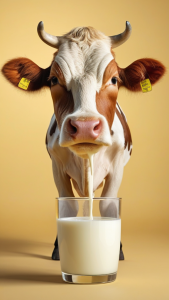
The Reasons Vegans Avoid Cow’s Milk: Understanding the Dietary Choices
Many people wonder why vegans avoid cow’s milk. This choice goes beyond mere preference and taps deeply into ethical, environmental, and health concerns. Understanding the reasons behind this dietary choice can illuminate why so many individuals are committed to a vegan lifestyle.
One of the primary reasons vegans avoid cow’s milk is due to ethical considerations. The dairy industry involves the raising and exploitation of cows, often resulting in suffering for these animals. When cows are bred for milk production, they are frequently kept in confined spaces and subjected to harsh conditions. Veganism advocates for animal rights, insisting that all living beings deserve to be treated with dignity. Opting out of cow’s milk aligns with the philosophy of reducing harm to animals.
In addition to animal welfare, many vegans are concerned about environmental sustainability. The dairy industry is known for its significant carbon footprint; it contributes to greenhouse gas emissions, deforestation, and water pollution. Producing cow’s milk requires vast amounts of water and land, leading to resource depletion. By avoiding cow’s milk and other dairy products, vegans aim to minimize their ecological impact and promote a more sustainable food system.
Health is another major factor in the decision to refrain from consuming cow’s milk. Research has shown that some individuals are lactose intolerant, meaning they cannot comfortably digest lactose, the sugar in cow’s milk. Symptoms may include bloating, diarrhea, and stomach cramps. For these individuals, cow’s milk can cause more harm than good.
Moreover, many studies suggest that excessive dairy consumption may be linked to certain health issues, including heart disease and increased cholesterol levels. Some vegans believe that a plant-based diet, which excludes cow’s milk, is a healthier choice overall. A diet rich in fruits, vegetables, nuts, and seeds is often seen as beneficial for both physical health and longevity.
It is also valuable to understand the alternatives that exist in place of cow’s milk. The market has widely embraced numerous plant-based milk options, such as:
- Almond milk
- Soy milk
- Coconut milk
- Oat milk
- Rice milk
These alternatives not only mimic the texture and taste of cow’s milk but also offer various flavors and nutritional profiles. Some are fortified with vitamins and minerals, ensuring that individuals can still receive essential nutrients without consuming dairy. For vegans, these plant-based options are not just substitutes; they symbolize a conscious choice toward a more ethical and sustainable lifestyle.
Social and cultural factors also play a role. As veganism has gained popularity, more people are becoming aware of the impacts of the dairy industry. With increased access to knowledge about the ethical, environmental, and health-related aspects of dairy consumption, many individuals are reevaluating their dietary habits. In social settings, this shift makes it easier for vegans to share their choices without feeling isolated or misunderstood. More restaurants and stores now offer vegan-friendly options, allowing individuals to enjoy meals without compromising their beliefs.
Veganism is often viewed as more than just a diet. It encompasses a lifestyle and a set of values focused on compassion for all living beings. Cow’s milk, as a significant product of animal exploitation, stands opposed to these values. Therefore, for many vegans, the avoidance of cow’s milk is a clear manifestation of their beliefs, striving for a world that respects animal rights while also promoting human health and environmental sustainability.
Ultimately, the reasons vegans avoid cow’s milk intertwine ethics, health, and the environment. Understanding these motivations can help foster greater awareness and conversation about the implications of dairy consumption. Whether you are vegan or simply curious, recognizing and respecting these choices contributes to a more empathetic society, where individuals can choose diets that align with their values.
Exploring Plant-Based Alternatives: What Do Vegans Drink Instead of Cow’s Milk?
If you’re exploring the world of plant-based diets or simply curious about what vegans choose to drink instead of cow’s milk, you’re in the right place! The shift to veganism often involves rethinking not just food choices but also beverages. Many people want to know, “Do vegans drink cow’s milk?” The answer is clearly no. Instead, there’s a delightful variety of plant-based alternatives available that provide both taste and nutrition. Let’s dive into some popular options and what makes them appealing.
When vegans avoid cow’s milk, they typically turn to alternatives made from nuts, grains, and legumes. These options cater to diverse tastes and dietary needs. Here are some of the most widely chosen plant-based drinks:
- Almond Milk: This low-calorie option is made from ground almonds and water. It has a light, nutty flavor that many find enjoyable. Almond milk is often fortified with vitamins and minerals, making it a nutritious alternative.
- Soy Milk: One of the most popular dairy substitutes, soy milk is made from soybeans. It’s high in protein, similar to cow’s milk, and often has added calcium and vitamin D. This makes soy milk a great choice for those looking for a nutritious option.
- Oat Milk: Oat milk has risen in popularity for its creamy texture and slightly sweet taste. It’s made by blending oats with water, then straining the mixture. This option is particularly good for coffee and desserts because of its rich mouthfeel.
- Coconut Milk: Known for its rich flavor, coconut milk is made from the flesh of coconuts. It’s great for cooking and baking, adding a tropical twist to your dishes. However, be mindful that it’s higher in fat compared to other alternatives.
- Rice Milk: Made from milled rice and water, rice milk is a sweet and very hypoallergenic option, perfect for those with nut or soy allergies. It’s thinner than other alternatives, making it a lighter choice.
- Cashew Milk: This creamy alternative is made from cashews and water. It has a rich flavor and works wonderfully in smoothies, soups, or desserts.
Beyond these standard options, there are more unique alternatives emerging, such as hemp, pea, and flax milk. Each has distinctive flavors and benefits, giving you plenty of options to explore. The good news is that many of these plant-based milks come with added nutrients, making them quite similar to cow’s milk in terms of health benefits.
As a vegan or someone considering plant-based options, you might find it helpful to look at labels when selecting these alternatives. Some brands may add sugars, preservatives, or artificial flavors. Opt for products that are labeled “unsweetened” if you’re watching your sugar intake. Additionally, check for vitamin fortification, especially if you’re relying on these options as key sources of nutrients like calcium or vitamin D.
Beyond nutritional profiles, taste can be a significant factor in your choice. You may prefer one plant milk over another based on how well it complements your coffee, tea, or cereal. Experimenting with different brands and types can help you determine what suits your palate best.
Transitioning from cow’s milk to plant-based options doesn’t have to be overwhelming. Start by gradually incorporating these alternatives into your routine—try adding almond milk to your smoothie or using oat milk in your cereal. Before long, you might find that you’ve fully embraced these delicious plant-based options.
In addition to milk substitutes, vegans often enjoy a variety of beverages that may include smoothies, herbal teas, or even iced coffees made with plant-based milk. The possibilities are endless, and you’ll likely discover that a plant-based lifestyle opens the door to many new flavors and experiences.
Ultimately, while cow’s milk is off the list for vegans, the world of plant-based alternatives is rich and varied. With so many tasty options available, there’s no need to feel deprived. Whether you prefer the nutty notes of almond milk or the creaminess of coconut milk, you are bound to find alternatives that satisfy your cravings. So go ahead, splurge on those plant-based milks, and enjoy the journey into healthier choices!
Conclusion
Choosing to avoid cow’s milk is a key aspect of a vegan lifestyle. Understanding the reasons behind this choice highlights the compassionate ethical considerations, environmental impacts, and health preferences that guide many vegans. They embrace a diet that not only excludes animal products but also champions sustainable living. The ethical stand against animal cruelty resonates deeply, as vegans seek to align their dietary habits with their values.
For those exploring what vegans drink instead, the market has evolved considerably. With an array of delicious plant-based alternatives available, options such as almond milk, oat milk, soy milk, and coconut milk provide the creamy texture and flavor many love without the use of cow’s milk. Each of these alternatives comes with its unique benefits and flavors, ensuring that vegans don’t feel deprived. They can enjoy their favorite beverages, from coffee to smoothies, while staying true to their dietary choices.
Switching from cow’s milk to plant-based options can be both exciting and fulfilling. Not only do you have the chance to try new flavors and nutrients, but you also contribute to a kinder, more sustainable planet. Whether you’re a long-time vegan or simply exploring a plant-based lifestyle, these alternatives promise something for everyone. Adopting these choices is more than just a diet; it’s about embracing a new way of living that prioritizes health, ethics, and environmental sustainability.