
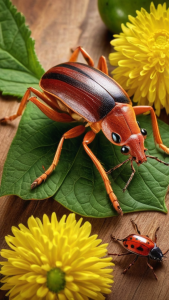
Do Vegans Eat Bugs? Exploring the Ethical Considerations
Many people are curious about the dietary choices of vegans, and one question that often arises is whether vegans eat bugs. At first glance, it may seem like a silly inquiry, but the answer is more nuanced and rooted in ethical considerations. To understand why this topic is important, we need to break down the motivations behind veganism and how they relate to consuming insects.
Veganism primarily revolves around avoiding animal products for ethical, environmental, and health reasons. Most vegans refrain from consuming meat, dairy, eggs, and even honey, as these products exploit animals in some way. But where do bugs fit into this picture? Let’s delve deeper to find out.
First, it’s essential to understand the reasons behind choosing a vegan lifestyle:
- Animal Rights: Many vegans believe all animals, regardless of size, deserve to live without suffering or exploitation. This perspective extends to insects.
- Environmental Impact: The livestock industry contributes significantly to environmental degradation. While insects are often heralded as a more sustainable protein source, their ethical implications still challenge many vegans.
- Health Concerns: Some people adopt veganism based on health benefits. Small insects can carry diseases or toxins, making their consumption questionable from a health standpoint.
Considering these motivations, it’s clear why the question of eating bugs is complex. Many vegans choose not to consume insects because they view them as beings that also deserve respect and life. While some argue that insects are less sentient than larger animals, others maintain that sentience should not be the sole factor in deciding what to eat.
Interestingly, some cultures do include insects as part of their diets, promoting them as sustainable food sources. Insects like crickets and mealworms are becoming popular in various forms, from protein powders to energy bars. This raises a thought-provoking aspect of our discussion: can eating bugs be seen as ethical or sustainable within a vegan framework?
For many vegans, the answer remains a firm “no.” Here are a few reasons why:
- Suffering and Sentience: Vegans argue that insects are still living creatures capable of experiencing pain, and thus, consuming them compromises their ethical stance.
- Consistency in Values: Many people adopt veganism to have a consistent moral compass regarding all sentient beings. Eating bugs could blur the lines they have established in their lives.
- Potential for Exploitation: The insect farming industry may mimic the exploitation seen in traditional animal agriculture. Vegans often worry that promoting edible bugs could lead to harmful practices.
This conversation also leads to discussions about what it means to be vegan. Some individuals may choose to label themselves as “plant-based” instead, which can imply a lesser commitment to avoiding all animal products, including bugs. This distinction can lead to debates within the vegan community about the “correct” approach to diets.
The future of protein consumption is a hot topic, especially with rising concerns about population growth and food security. The question of whether to include insects in our diets isn’t just psychological; it taps into our cultural and ethical paradigms. Will new generations of vegans consider a broader definition of what it means to live without consuming animals, or will sticking to traditional definitions prevail?
Ultimately, the inquiry into whether vegans eat bugs opens a fascinating topic for discussion. It encourages individuals to evaluate their beliefs and values concerning food choices. As you consider your dietary preferences, recognize that everyone’s journey may differ, shaped by personal ethics, culture, and individual experiences.
If you find yourself torn between these issues, engaging in open conversations with vegans, entomophagists (bug eaters), and even those outside your typical social surroundings can provide new perspectives. As our understanding of sustainability, ethics, and nutrition evolves, so too will the answers to difficult questions like this.
In the end, whether one eats bugs as a vegan often comes down to personal choices steeped in ethical reasoning. Societal views are changing, and it’s not just about what you eat but why you choose to eat what you do. Understanding these complexities can lead to more informed and compassionate choices in your diet.
The Nutritional Aspects of Insects vs. Traditional Protein Sources
In the realm of nutrition, protein is widely recognized as an essential building block for our bodies. While traditional sources like meat, dairy, and legumes have dominated the protein scene, insects are emerging as a compelling alternative. Understanding the nutritional aspects of insects compared to traditional protein sources opens up new possibilities for health-conscious eaters.
An important aspect of protein sources is the amino acid profile. Insects such as crickets, mealworms, and grasshoppers are rich in essential amino acids, making them a complete protein source. This means they contain all nine essential amino acids that the body cannot produce on its own. In fact, some studies have shown that certain insects can have a protein content that rivals traditional sources. For example:
- Cricket protein powder has about 70% protein content by weight, significantly higher than beef, which averages around 25%.
- Mealworms provide about 50% protein and are rich in healthy fats and vitamins.
- Grasshoppers often contain around 60% protein and are low in carbohydrates.
When it comes to micronutrients, insects shine as well. They often boast higher levels of essential vitamins and minerals when compared to conventional animal products. For instance, crickets are known to be a great source of:
- Vitamin B12: Essential for nerve function and DNA production.
- Iron: Critical for transporting oxygen in the blood.
- Zinc: Important for immune function and wound healing.
Moreover, insects are also known to have a beneficial lipid profile, as they contain healthy fats, including omega-3 and omega-6 fatty acids. These fats are necessary for brain health and overall wellbeing. Traditional protein sources like beef and pork also offer fats, but they can be laden with saturated fats, which can impact heart health.
One of the most compelling factors in favor of insects as a protein source is their sustainability. The production of insects requires significantly less land, water, and feed than traditional livestock farming. For example:
- Insects require just 1.7 kg of feed to produce 1 kg of body weight, while cows require around 8 kg of feed for the same weight gain.
- Insect farming emits fewer greenhouse gases, making it an eco-friendlier choice.
- Insects can thrive on organic waste, reducing the need for feed sources that require extensive agricultural inputs.
Furthermore, considering the calorie content, insects generally provide a high protein-to-calorie ratio. For example, a serving of roasted crickets offers around 121 calories while packing in about 14 grams of protein. This makes insects an excellent choice for those looking to maintain a healthy weight or build muscle without excessive calorie intake.
While cultural acceptance of insect consumption varies widely across the globe, their nutritional benefits cannot be overlooked. The idea of eating bugs may seem strange, especially in Western diets; however, many countries have embraced insects as a delicacy for centuries. In Asia, Africa, and parts of South America, insects are not just food—they are a vital part of the diet. As dietary habits evolve worldwide, insects could become a more widespread staple, thanks to their allure as a nutrient-rich protein source.
Food technology is also paving the way for increased acceptance and popularity of insect protein. You can now find protein bars, snacks, and even flour made from insects in health food stores. This transformation helps normalize the consumption of insects and shifts the perception from ‘bug’ to ‘protein source’.
While traditional protein sources have some undeniable benefits, insects offer a unique and highly nutritional alternative. With their complete amino acid profiles, abundant micronutrients, healthful fats, and sustainability, they could reshape dietary habits and contribute to a more balanced and eco-conscious food system. Whether you are a seasoned health enthusiast or just curious about new food options, exploring insect protein could be a fascinating journey towards a healthier future.
Conclusion
The question of whether vegans eat bugs touches on deep ethical beliefs and nutritional values. While insects are a surprisingly rich source of protein and essential nutrients, many vegans argue that consuming them contradicts their commitment to avoiding animal products. This stance often stems from the ethical implications of exploiting any living creature, regardless of its size. Vegans tend to prioritize the welfare of all animals, no matter if they are large mammals or tiny insects.
From a nutritional standpoint, insects have garnered attention for being a sustainable protein source. They are high in protein, vitamins, and minerals, making them a viable alternative to traditional meat. However, the idea of incorporating insects into one’s diet doesn’t align with the fundamental principles of veganism, which emphasizes compassion towards all sentient beings.
Ultimately, the choice to include or exclude insects is deeply personal and reflects one’s beliefs about animal rights, health, and sustainability. For many vegans, the notion of eating insects remains firmly in the realm of vegetarianism or flexitarianism, rather than true veganism. If you’re exploring dietary choices, it’s essential to consider both ethical and nutritional factors. Understanding these nuances can lead to a more informed decision about what aligns with your values and health. Whether you decide to stick with traditional plant-based foods or expand your horizons, the key is to choose what resonates with you while respecting the diverse perspectives that exist within the vegan community.