
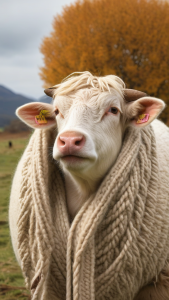
Do Vegans Wear Wool? The Ethical Debate Surrounding Wool Consumption
When it comes to veganism, the discussion often revolves around food, but the ethical considerations extend far beyond what goes on our plates. One question that frequently arises is whether vegans wear wool. This topic sparks a heated debate within the vegan community and beyond. Understanding both sides can illuminate the complexities surrounding wool consumption.
Vegans typically avoid all animal products to advocate for animal rights and reduce suffering. This ideology raises eyebrows when it comes to wool, a natural fabric obtained from sheep. While some may argue that shearing sheep is humane and necessary for their health, others argue that it is still an exploitative practice. Let’s break down this ethical dilemma into key points.
Understanding Wool Production
The process of wool production involves several steps that influence its ethical standing:
- Shearing: Wool is collected by shearing fleece off sheep, usually once a year. Proponents argue that this is essential for sheep, as their wool can grow excessively and cause discomfort.
- Animal Welfare: Critics of wool argue that the shearing process can be painful if not done properly. Many sheep are bred specifically for their wool, which raises questions about their quality of life.
- Environmental Impact: Raising sheep for wool contributes to land degradation and methane emissions, adding to the environmental concerns associated with animal agriculture.
The Vegan Perspective
For many vegans, the consumption of wool is a clear violation of their ethical beliefs. Here are some reasons why wool is often shunned by this community:
- Animal Rights: The primary argument against wool is that it exploits sheep. Even if they are sheared humanely, the broader context of animal agriculture is still viewed as unethical.
- Sentient Beings: Vegans believe that animals have the right to live free from human exploitation, regardless of whether they face harm during wool production.
- Alternatives to Wool: The availability of synthetic and plant-based materials provides alternatives that align better with vegan principles, leading many to avoid wool altogether.
Arguments in Favor of Wool
While many vegans reject the idea of wearing wool, some argue in favor of the fabric for the following reasons:
- Natural and Biodegradable: Wool is a renewable resource, and it decomposes naturally, unlike many synthetic fabrics that harm the environment.
- Animal Care: Some farms prioritize animal welfare, ensuring that sheep are well-treated and live in healthy environments. Advocates claim that responsible wool farming can be ethical.
- Cultural Significance: In certain cultures, wool has traditional importance, and these practices offer sheep a life that is respected and valued.
Finding a Middle Ground
The debate over whether vegans can ethically wear wool isn’t straightforward. Some individuals choose to identify as “plant-based” rather than strictly “vegan” to differentiate their dietary choices from their clothing practices. They might be open to wearing wool sourced from farms with high animal welfare standards.
Moreover, many vegans explore various materials that echo their beliefs without compromising their values. Fabrics like organic cotton, hemp, and Tencel serve as excellent alternatives to wool. These materials can provide the warmth and durability that many seek in wool without the ethical baggage.
Making Informed Choices
Ultimately, whether or not vegans wear wool depends on one’s values and understanding of ethical consumption. If you identify as vegan and are curious about wool, consider these factors:
- Research: Investigate the practices of wool producers. Look for certifications that indicate ethical treatment of animals.
- Personal Values: Reflect on your principles regarding animal rights and environmental impact.
- Consider Alternatives: Explore the range of cruelty-free options available, which can align more closely with vegan ethics.
The question of whether vegans wear wool dives into a broader conversation about ethics in consumption. By understanding both sides of the argument, you can make a meaningful decision that reflects your values while respecting the lives of animals.
Alternative Fabrics: Sustainable Choices for Vegan Fashion
As the demand for ethical and sustainable fashion rises, many find themselves curious about viable fabric alternatives that align with vegan principles. Traditional materials like leather, silk, and wool often raise ethical concerns for those committed to animal welfare. Thankfully, there are numerous exciting fabric options available today that offer not just compassion but also sustainability.
Plant-Based Fabrics
Plant-based fabrics emerge as some of the most popular choices for vegan fashion. They harvest natural fibers without causing harm to animals, making them a perfect fit for conscious consumers.
Cotton
Cotton is a well-known fiber made from the fluffy seed fibers of the cotton plant. It’s soft, breathable, and versatile, suitable for various types of clothing. However, it’s essential to opt for organic cotton to avoid harmful pesticides and chemicals that can affect the environment.
Lyocell (Tencel)
Lyocell, commonly branded as Tencel, is a sustainable fabric made from the pulp of eucalyptus trees. This manufacturing process consumes less water and utilizes a closed-loop system that recycles water and solvents, making it eco-friendly. Tencel is biodegradable and has a soft, silky texture, making it suitable for everything from dresses to activewear.
Hemp
Hemp is a remarkably strong and durable fiber that requires minimal water and no pesticides during its growth. It improves soil health and grows in a variety of environments. Clothing made from hemp becomes softer with each wash, ensuring comfort without compromising on sustainability.
Synthetic and Recycled Fabrics
While synthetic fabrics raise concerns regarding plastic pollution, advancements in recycling technology have led to more sustainable options that enable us to create fashionable items from discarded materials.
Recycled Polyester
Recycled polyester is produced from recycled plastic bottles and other plastic waste, diverting these materials from landfills. This eco-friendly fabric retains the same durability and versatility of traditional polyester while significantly reducing its environmental impact. It’s widely used in activewear, jackets, and various accessories.
Piñatex
Piñatex is a remarkable alternative to leather made from the fibers of pineapple leaves. This innovative fabric provides farmers with an additional income source while reducing agricultural waste. The result is a soft, durable fabric that can mimic leather without any animal cruelty.
Innovative Natural Blends
Natural blends are gaining traction in the vegan fashion industry. These innovative fabrics combine various plant-based fibers to enhance performance, comfort, and style.
Bamboo
Bamboo fabric is not only soft but also has anti-bacterial properties, making it ideal for underwear and activewear. However, it’s crucial to ensure that the bamboo is sourced sustainably and processed using eco-friendly methods, as some production practices can be harmful.
Organic Linen
Linen made from flax plants is a breathable and lightweight option, perfect for warm weather. Organic linen is produced without harmful chemicals, making it an excellent choice for environmentally conscious consumers. Its natural texture adds a unique charm to casual and formal wear.
Benefits of Choosing Alternative Fabrics
Making the switch to sustainable fabrics offers multiple benefits:
- Environmental sustainability: Reduced carbon footprint, lower water consumption, and less pollution.
- Animal welfare: Avoiding harm to animals aligns with the core tenets of veganism.
- Better quality: Many sustainable fabrics are incredibly durable and often offer superior comfort.
- Unique styles: Eco-friendly fashion brands are creating innovative designs, ensuring you look stylish while making ethical choices.
When shopping for vegan fashion, keep an eye out for labels that indicate sustainable practices and materials. As the market for vegan alternatives continues to expand, you’ll find more designers and brands committed to making a positive impact. Adopting alternative fabrics doesn’t only benefit your wardrobe; it’s a step toward a more sustainable and compassionate fashion future.
In essence, understanding and embracing sustainable fabric choices is essential for anyone passionate about vegan fashion. By choosing materials that align with ethical principles, you contribute to a global movement towards more responsible and mindful consumption.
Conclusion
The choice of whether vegans wear wool hinges on ethical considerations that impact both animals and the environment. Many individuals who embrace a vegan lifestyle opt to avoid wool due to the exploitation associated with sheep farming, including practices like mulesing and the stress of shearing. This decision reflects a broader commitment to animal rights and welfare, showcasing a desire to make choices that align with compassionate living.
Fortunately, the fashion industry has evolved, offering numerous sustainable and stylish alternatives to wool. Fabrics such as organic cotton, hemp, Tencel, and various innovative synthetic materials provide vegans with viable options that do not compromise their principles. These alternatives not only ensure that no animals are harmed but often also promote environmentally-friendly practices that reduce the impact on our planet.
Ultimately, the vegan commitment encourages individuals to consider the origins of their clothing and the ethical implications behind their choices. It promotes a conscious approach to fashion, urging consumers to seek out options that align with their values. By embracing alternative fabrics and supporting brands that prioritize sustainability and animal welfare, vegans can enjoy fulfilling wardrobes while making a positive impact on the world. Whether for warmth, style, or comfort, it’s clear that there are plenty of fashionable and ethical choices out there for those who choose to live a vegan lifestyle.