
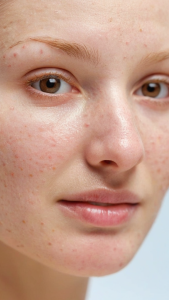
The Best Moisturizers for Eczema: Top Picks and Benefits
Finding the right moisturizer for eczema can feel overwhelming, but it’s crucial for managing symptoms and ensuring your skin stays hydrated. Eczema, or atopic dermatitis, is characterized by dry, itchy, and inflamed skin. The best moisturizers can help soothe your skin and prevent flare-ups. Below are some top picks and their benefits to guide your choice.
When selecting a moisturizer for eczema, look for key ingredients that provide hydration, restore the skin barrier, and reduce inflammation. Creams and ointments are generally more effective than lotions since they offer thicker protection and lock in moisture better. Here are some standout options:
1. Vanicream Moisturizing Skin Cream
This cream is a dermatologist favorite, especially for sensitive skin. It’s free of common irritants, such as fragrances and dyes. The rich formula includes petrolatum and glycerin, which are excellent for trapping moisture in the skin.
2. CeraVe Moisturizing Cream
CeraVe stands out for its blend of essential ceramides and hyaluronic acid. Ceramides are crucial for maintaining the skin barrier, while hyaluronic acid draws moisture to the skin. This dermatologist-recommended option provides 24-hour hydration and is non-comedogenic.
3. Eucerin Adult Eczema Relief Cream
Eucerin’s eczema relief cream contains colloidal oatmeal, which is known for its soothing properties. It aids in relieving itching and irritation while providing long-lasting moisture thanks to its thick formulation. This cream is also fragrance-free, making it ideal for eczema-prone skin.
4. Aquaphor Healing Ointment
For extremely dry skin, Aquaphor offers a protective barrier that helps the skin retain moisture. This ointment is great for areas that tend to crack and become irritated. It’s also suitable for sensitive skin and can be used on various body parts.
5. Neutrogena Hydro Boost Gel-Cream
This gel-cream absorbs quickly and provides a refreshing burst of hydration. Its main ingredient, hyaluronic acid, helps replenish moisture in the skin without feeling heavy. While it’s more suitable for mild eczema cases, it still delivers great results for daily moisture needs.
When choosing from these options, consider your specific needs:
- Skin Sensitivity: If your skin is particularly sensitive, look for products that are hypoallergenic and free of irritants.
- Severity of Eczema: For more severe cases, thicker creams or ointments may be necessary, whereas mild eczema may do well with lighter gels.
- Allergies: Always check the ingredient list for any potential allergens that could worsen your skin condition.
In addition to selecting the right moisturizer, it’s important to establish a consistent skin-care routine. Here are some best practices to enhance the effectiveness of your moisturizer:
Moisturizing Techniques
Apply moisturizers immediately after bathing when your skin is still damp to lock in hydration. Gently pat your skin dry with a towel before applying your moisturizer. This creates a moisture barrier that helps keep your skin hydrated throughout the day.
Regular application is key, so aim to moisturize at least twice daily. If you experience an eczema flare-up, don’t hesitate to use your moisturizer more frequently.
Consult a Dermatologist
If you’re struggling to manage your eczema despite trying these moisturizers, consider consulting a dermatologist. They can provide additional recommendations or treatments, such as prescription topical medications, to help you find relief.
Ultimately, the best moisturizer for eczema depends on your skin type and the severity of your condition. By selecting a product that works for you and adhering to a consistent skin-care routine, you can significantly enhance your skin’s health and comfort.
Understanding Eczema Triggers and How to Manage Them
Eczema can be a challenging condition, affecting not only your skin but also your overall well-being. Understanding the triggers that worsen eczema is key to managing it effectively. By identifying and managing these triggers, you can significantly reduce flare-ups and maintain healthier skin. This guide will help you explore common eczema triggers and practical strategies to manage them.
Common Eczema Triggers
Many factors can aggravate eczema, and they can differ from person to person. Here are some of the most common triggers:
- Environmental Factors: Changes in weather can impact your skin. Cold, dry air is notorious for drying out your skin, while hot, humid weather can lead to sweating, irritating sensitive skin.
- Allergens: Common allergens like pollen, dust mites, and pet dander can trigger eczema flare-ups. Consider keeping windows closed during high pollen seasons and using air purifiers to remove dust and allergens.
- Food Sensitivities: Certain foods like dairy, nuts, soy, and gluten can cause reactions in some individuals. Keeping a food diary can help you identify any links between what you eat and your eczema flare-ups.
- Skin Irritants: Products containing fragrances, dyes, or harsh chemicals can irritate your skin. Opt for fragrance-free or hypoallergenic products to minimize irritation.
- Stress: Emotional and physical stress can lead to eczema flare-ups. Finding ways to manage stress, such as through relaxation techniques or hobbies, can help improve your skin condition.
- Personal Care Products: Moisturizers are essential for eczema management, but not all products are suitable. Look for thick creams or ointments without perfumes or alcohol.
Strategies for Managing Eczema Triggers
Effectively managing eczema triggers requires a proactive approach. Here are several strategies to consider:
- Develop a Daily Skincare Routine: Regular moisturizing is crucial. Applying ointments or creams immediately after bathing can lock in moisture. Aim to use products that are rich in ceramides and other skin-repairing ingredients.
- Keep a Trigger Journal: Tracking your day-to-day activities, diet, and flare-ups can help you identify specific triggers. This information is valuable for recognizing patterns and adjusting your lifestyle accordingly.
- Minimize Allergens at Home: Regular cleaning can reduce allergens. Wash bedding frequently, vacuum carpets, and use dust-proof covers on pillows and mattresses.
- Wear Comfortable Clothing: Opt for loose-fitting cotton clothing rather than synthetic fabrics, which may irritate your skin. Avoid tight clothing that can lead to friction and itchiness.
- Practice Stress Management: Incorporate relaxation techniques such as yoga, meditation, or deep-breathing exercises into your daily routine to help manage stress.
- Consult with Professionals: If managing your eczema becomes overwhelming, don’t hesitate to seek help from a dermatologist or allergist. They can provide tailored advice and suggest appropriate treatments.
When to Seek Treatment
If your eczema does not respond to home management strategies or gets worse, consult a healthcare provider. They can suggest topical steroids or other medications to help control inflammation and itching. Understanding when to seek professional help can make a big difference in managing your condition.
Managing eczema is a journey that requires patience, self-awareness, and adaptation. By understanding your specific triggers and implementing effective management strategies, you can improve your quality of life and enjoy healthier skin.
Don’t forget that living with eczema might also mean adapting and learning over time. Each person is unique, and what works for one individual may not work for another. The key is to stay committed to your management plan and maintain open communication with your healthcare provider about your progress.
Conclusion
Finding the right moisturizer for eczema can significantly improve your skin’s condition and your overall comfort. As we’ve highlighted, options like thicker creams and ointments with ingredients such as ceramides, hyaluronic acid, and natural oils can provide the deep hydration your skin needs. Always consider your personal skin type and preferences when selecting a product, as everyone’s experience with eczema is unique.
Understanding your eczema triggers is equally essential in managing this condition. Common triggers include irritants like fragrances and harsh soaps, as well as environmental factors such as dry air or stress. By avoiding these triggers and incorporating a targeted moisturizing routine, you can help minimize flare-ups and keep your skin healthy.
Regularly moisturizing not only soothes your skin when it feels dry but also serves as a preventative measure, locking in moisture and reinforcing the skin barrier. When selecting the best moisturizer for eczema, it’s important to experiment with different formulations until you find one that yields the most relief.
By prioritizing hydration and understanding what irritates your skin, you can take control of your eczema. Embrace a thoughtful skincare routine that combines effective moisturizers with awareness of your triggers, and you’ll be better equipped to manage this condition effectively. Remember, healthy skin starts with the right care and the right choices tailored specifically for you.