
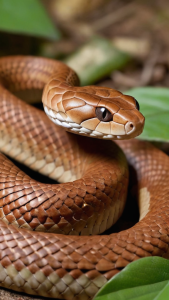
Identifying a Young Copperhead Snake: Colors, Patterns, and Size
When it comes to identifying a young copperhead snake, knowing the right colors, patterns, and sizes can help you distinguish it from other snakes in the wild. These snakes are fascinating creatures, but they should be approached with caution due to their venomous nature. In this article, we’ll delve into the features that make young copperheads unique and how to spot them safely.
Colors of a Young Copperhead Snake
Young copperhead snakes are known for their striking colors. Here are some key color characteristics to look for:
- Base Color: Young copperheads typically exhibit a light brown to tan base color, which helps them blend into their surroundings, especially in leaf litter and wooded areas.
- Bellies: The belly of a young copperhead is usually a lighter cream or yellow color, providing a stark contrast to its darker upper body.
- Eyes: One of the most notable features of a young copperhead is its large, distinctive eyes. Young snakes often have bright copper-colored irises that give them their name.
Patterns on a Young Copperhead Snake
Patterns on young copperheads are essential for identification. Here’s what to expect:
Discover the secrets to aging gracefully and living life to the fullest with “Age Slower”
- Crossbands: Young copperheads typically have a series of darker, hourglass-shaped crossbands that run across their bodies. These bands are usually a rusty red or dark brown color.
- Blending: The edges of these crossbands might appear a bit lighter, creating a natural camouflage that protects the snake from predators.
- Color Variations: Depending on their habitat, some young copperheads may display more intense or muted colors. They often have a more vivid coloration in spring and summer than in fall.
Size of a Young Copperhead Snake
Understanding the size of young copperhead snakes will help you identify them accurately. Here are some size-related tips:
- Length: Young copperheads typically measure between 10 to 20 inches long. As they mature, they can grow to about 2 to 3 feet in length, but young specimens tend to be smaller.
- Body Shape: They have a thick, stocky body, particularly compared to their length. This bulky shape is a hallmark of adult copperheads as well.
- Tail: Young snakes have a distinguishable, short, and tapered tail, which is an essential feature for identification.
Behavior and Habitat
Behavior and habitat also play roles in recognizing young copperheads. Here’s what to keep in mind:
Discover the secrets to aging gracefully and living life to the fullest with “Age Slower”
- Habitat: Young copperheads can often be found in wooded areas, near water sources, or in rocky terrains. They prefer places with plenty of cover like logs, leaf piles, or bushes.
- Time of Activity: Most copperheads are crepuscular, meaning they are most active during dawn and dusk. Keep this in mind when observing their behavior.
- Temperament: Generally, young copperheads prefer to flee rather than confront humans. However, they might remain still in hopes of remaining unseen.
Safety Tips When Observing Young Copperhead Snakes
If you happen to spot a young copperhead, it’s important to respect their space. Here are some safety tips to follow:
- Keep Your Distance: Always maintain a safe distance from the snake, allowing it the opportunity to escape.
- Avoid Sudden Movements: If you encounter a young copperhead, avoid sudden movements that may startle it.
- Educate Others: Share your knowledge about young copperhead snakes to promote awareness and safety among your friends and family.
Identifying a young copperhead snake involves observing its distinct colors, patterns, and size characteristics. By understanding these features, you can appreciate the beauty of these snakes while ensuring your safety in their habitat. So, whether you’re an avid nature enthusiast or just curious about local wildlife, recognizing young copperheads can be a thrilling venture into the natural world.
Understanding the Behavior and Habitat of Young Copperhead Snakes
The young copperhead snake, a fascinating creature of the southeastern and central United States, is often misconstrued due to its distinctive appearance and venomous nature. Understanding its behavior and habitat can help you appreciate these snakes while also staying safe in their presence. Young copperheads have unique characteristics that set them apart from adults, making them particularly interesting to study.
Discover the secrets to aging gracefully and living life to the fullest with “Age Slower”
Young copperhead snakes are easily recognizable by their unique coloration and markings. Their bodies are typically a light tan or brown, with darker, saddle-like bands that run down their backs. As they age, these colors become more vibrant and distinct. A key feature to look for in young copperheads is their small size, usually ranging between 10 to 20 inches long. Despite their smaller stature, they possess the same potential for venom that adult copperheads do, so caution is always advised.
Another fascinating aspect of young copperhead snakes is their behavior. These snakes are primarily ambush predators, which means they prefer to wait for their prey rather than actively hunt. In their youth, they often find shelter in low vegetation, rocks, or logs, where they can blend in and remain hidden. When food does come near, they strike swiftly and effectively, using their venom to immobilize their prey. Common meals for young copperheads include small mammals, birds, and lizards.
Discover the secrets to aging gracefully and living life to the fullest with “Age Slower”
The habitat where young copperheads thrive is equally intriguing. These snakes typically favor wooded areas, rocky hills, and wetlands. They are most often found in environments with plenty of cover, which allows them to stay hidden from both predators and potential threats. As a rule of thumb, you might find them in the following areas:
- Forest Edges: Young copperheads often inhabit the borders between forest and open areas.
- Rocky Terrain: They enjoy rocky outcrops as these provide shade and camouflage.
- Wetlands: Swamps and ponds serve as good hunting grounds due to the abundance of prey.
- Overgrown Fields: In rural areas, young copperheads may be found in tall grasses where they can easily hide.
Temperature and climate also play an important role in their behavior. Copperheads are ectothermic, meaning they depend on external sources of heat to regulate their body temperature. During the spring and summer months, you may notice young copperheads basking in the sun on rocks or pathways in order to warm up. Conversely, in the cooler months, they become less active, often seeking shelter in crevices or beneath leaf litter.
Discover the secrets to aging gracefully and living life to the fullest with “Age Slower”
Young copperhead snakes are known to exhibit some unique social behaviors as well. Unlike many other snake species, copperheads are somewhat territorial. They may engage in territorial displays, where they will share a space with other snakes until they feel crowded or threatened. This can lead to interactions that are important for both social structure and breeding. Understanding these dynamics helps to shed light on their behavior and community relationships.
Another critical behavior to note is their response to threats. When feeling threatened, a young copperhead may first try to escape to safety by blending into its surroundings. If that fails, it may prepare to strike as a last resort. Interestingly, young copperheads often display a defensive method known as “playing dead” by remaining perfectly still when approached. This behavior is a survival tactic to confuse predators, allowing them to avoid confrontation.
Discover the secrets to aging gracefully and living life to the fullest with “Age Slower”
Recognizing a young copperhead snake in the wild can be an amazing experience, but safety should always come first. If you encounter one, it’s vital to keep a safe distance. Learning about their habitat and behavior equips you with the knowledge to coexist peacefully with these intriguing reptiles. Their role in the ecosystem as both predator and prey makes them a vital part of maintaining a healthy environment.
The more you understand about young copperhead snakes, the more you can appreciate the beauty and complexity of nature as a whole. Each interaction with wildlife, including these snakes, serves as a reminder of the delicate balance in natural ecosystems.
Conclusion
Recognizing a young copperhead snake can be both fascinating and essential for your safety. These snakes are usually identifiable by their copper-brown hues, distinctive hourglass patterns, and smaller size compared to adults. As they grow, they will develop the typical features that copperheads are known for, but early identification can prevent any accidental encounters.
Discover the secrets to aging gracefully and living life to the fullest with “Age Slower”
Young copperhead snakes tend to inhabit wooded areas, rocky hillsides, and even backyards, making it crucial to understand where they might be found. They often seek out warmer spots to bask in the sun, so look for them in sunny clearings or along warm trails. Their behavior is relatively timid; they prefer to stay hidden from potential threats. However, if you do come across one, it’s important to give them space. They tend to rely on their camouflage for protection rather than aggression.
Being informed not only enriches your knowledge of these unique creatures but also promotes safety and respect for wildlife. Should you spot a young copperhead, appreciate the beauty of its intricate patterns while ensuring you maintain a safe distance. Being aware of their characteristics, behavior, and preferred habitats enhances your outdoor experiences and helps preserve the delicate balance of nature. Always remember that these snakes play an important role in the ecosystem, and with a little understanding, you can coexist peacefully with them.
Discover the secrets to aging gracefully and living life to the fullest with “Age Slower”