
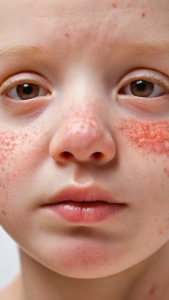
Understanding the Risks: Is Eczema Dangerous for Your Health?
Eczema, also known as atopic dermatitis, can be a concern for many people. You may wonder, “Is eczema dangerous for my health?” While eczema itself is not life-threatening, it can lead to various complications that might affect your overall well-being.
Let’s break down what eczema means for your health. Eczema is a chronic skin condition that causes inflammation, redness, and itching. It can range from mild to severe, and while many manage it effectively, others may struggle more with its symptoms.
Understanding the Risks of Eczema
It’s essential to recognize that eczema can lead to several health risks, particularly when symptoms worsen. Here are some important points to consider:
- Skin Infections: The constant itching from eczema can cause you to scratch your skin, leading to breaks. This can expose you to bacteria and other pathogens, increasing the risk of skin infections.
- Allergic Reactions: Eczema may be triggered by allergies, which can heighten your sensitivity to various irritants. This can make your skin condition worse and even lead to other allergic symptoms.
- Sleep Disruptions: Intense itching can disturb your sleep patterns, leading to fatigue and difficulty concentrating during the day. Poor sleep can have a significant impact on your overall health.
- Emotional and Mental Health: Living with eczema can affect your self-esteem and mood. The visible signs can lead to embarrassment and anxiety, which can further exacerbate symptoms.
How Eczema Affects Children
If you’re a parent, it’s vital to keep an eye on how eczema affects children. For many kids, eczema is common, but its implications can differ:
- Learning Difficulties: Children with eczema might struggle in school due to sleep deprivation or discomfort. Their ability to learn may be hindered, affecting their academic performance.
- Social Interactions: Kids may feel self-conscious about their skin condition. This can impact their friendships and lead to feelings of isolation.
Managing Eczema Effectively
While eczema might pose some health risks, managing it effectively can alleviate most concerns. Here are some strategies to help:
- Moisturize Regularly: Keeping your skin hydrated can reduce dryness and itching. Look for fragrance-free products that are designed specifically for sensitive skin.
- Avoid Triggers: Identify what worsens your eczema, whether it is certain foods, weather conditions, or stress, and try to avoid these triggers.
- Use Medication When Needed: Your doctor may prescribe topical steroids or other treatments to manage severe symptoms. Always follow their guidance.
- Practice Good Hygiene: Regular baths and showers can help keep your skin clean. Use gentle soap and avoid hot water, which can dry your skin out.
When to Seek Medical Attention
There may be times when eczema could lead to more serious conditions, so knowing when to seek help is essential:
- If your symptoms worsen despite home treatments.
- If you notice signs of a skin infection, like increased redness or pus.
- If itching interferes significantly with your daily life.
While eczema itself is not typically dangerous, it can lead to various complications that might affect your health and quality of life. Awareness of your symptoms and managing triggers can significantly reduce risks. If you’re ever uncertain, don’t hesitate to reach out to your healthcare provider for guidance tailored to your situation. Taking an active role in your skin health can empower you in managing eczema effectively.
Effective Management Strategies for Living with Eczema
Eczema can be a challenging condition to manage. It causes dry, itchy skin, and can lead to irritation and discomfort. You might wonder how to better handle your eczema symptoms and improve your quality of life. Here are some effective management strategies you can implement.
Understand Your Triggers
The first step in managing eczema is to know what triggers your symptoms. Common triggers include:
- Dry weather or low humidity
- Irritants such as soaps, detergents, and fabrics
- Allergens like pollen, pet dander, and dust mites
- Stress and anxiety
- Hormonal changes
To identify your triggers, keep a diary of when your eczema flares up. This can help you spot patterns and steer clear of those irritants and allergens. By learning more about your skin, you can make more informed lifestyle adjustments.
Moisturize Regularly
Keeping your skin hydrated is crucial in managing eczema. Choose a thick moisturizer that suits your skin type. Apply it right after bathing while your skin is still damp to lock in moisture. This can significantly reduce dryness and itching. Here are some tips on how to moisturize effectively:
- Use fragrance-free products to avoid irritation.
- Reapply moisturizer throughout the day, especially in dry or cold weather.
- Consider using ointments or creams instead of lotions for better hydration.
Use Medication Wisely
Consult with your doctor about the best short-term and long-term treatments for your eczema. Over-the-counter creams containing hydrocortisone can relieve itching and inflammation. However, if symptoms persist, your doctor might prescribe stronger topical steroids or other medications. Always follow your physician’s advice on application frequency and duration to avoid potential side effects.
Adopt a Gentle Skincare Routine
It’s important to be gentle with your skin. Choose mild, fragrance-free cleansers and bathe in lukewarm—not hot—water. Hot water can strip your skin of its natural oils, worsening your symptoms. After bathing, pat your skin dry instead of rubbing it. Here are some more tips:
- Limit baths or showers to 10-15 minutes.
- Take care to apply soothing products right after bathing.
- Avoid harsh scrubs or exfoliants.
Consider Lifestyle Changes
Your lifestyle plays a significant role in how well you can manage eczema. Consider these changes for potential relief:
- Wear loose-fitting clothing made of breathable fabrics like cotton.
- Stay hydrated by drinking plenty of water to help maintain skin moisture.
- Practice stress-reducing techniques such as meditation, yoga, or deep-breathing exercises.
Exploration of Diet
Some people with eczema find that certain foods can trigger their symptoms. Common culprits include dairy, eggs, soy, and nuts. Keeping a food diary can help you find patterns in your diet related to your eczema. By eliminating known triggers, you may experience fewer flare-ups.
Regular Medical Check-ups
Make it a habit to visit your dermatologist regularly. This allows for ongoing assessments of your condition and any necessary updates to your treatment plan. They can also provide advice on newer therapies and research developments related to eczema care.
Joining Support Groups
Consider joining a support group for people living with eczema. Sharing experiences and solutions can provide you with emotional support and practical tips to manage your condition better. Many online forums are available, enabling you to connect with others who truly understand what you’re going through.
Living with eczema demands a proactive approach. By identifying triggers, maintaining a solid skincare routine, and adjusting your lifestyle, you can enhance your overall well-being. Remember that you are not alone in this journey, and help is out there for you.
Conclusion
Managing eczema can feel overwhelming at times, but understanding the potential risks and effective strategies can make a significant difference in your quality of life. Eczema itself is not typically life-threatening, but the discomfort it causes and its impact on your mental well-being should not be overlooked. Skin infections, which can develop from scratching and irritation, pose a more serious risk, underscoring the importance of vigilant care.
Implementing management strategies is key to navigating daily challenges posed by eczema. Keeping your skin moisturized, avoiding known triggers, and following a consistent skincare routine can help minimize flare-ups. It’s crucial to seek support from healthcare professionals who can guide you with personalized treatment plans. These plans may include topical medications, lifestyle adjustments, or even alternative therapies tailored to your unique needs.
Educating yourself about eczema empowers you to take control of your symptoms. By sharing your experiences with others who face similar challenges, you can foster a supportive community. Remember that while eczema may stick with you for the long haul, it doesn’t define you. With the right tools and strategies, you can lead an active, fulfilling life despite the condition.
Your health and comfort matter, so always prioritize self-care and reach out for help when needed. The journey may have its ups and downs, but with diligence and knowledge, you can manage eczema and focus on enjoying each day to the fullest.