
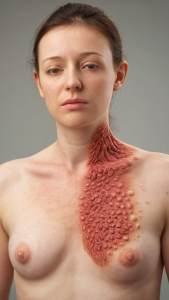
Key Differences Between Eczema and Psoriasis: Identifying Symptoms and Triggers
Eczema and psoriasis are two common skin conditions that often confuse people. Both can cause red, inflamed patches and can be itchy, but understanding their key differences can help you seek the right treatment. Let’s explore how to identify the symptoms and triggers of eczema and psoriasis.
Understanding Eczema
Eczema, also known as atopic dermatitis, commonly affects children but can appear at any age. It leads to dry, itchy, and flaky skin. The affected areas can become red and swollen. Here are some common symptoms of eczema:
- Dry, sensitive skin: This is a hallmark of eczema. You might notice rough, scaly patches on your skin.
- Severe itching: Often, the itch can be unbearable and tends to worsen at night.
- Rash appearance: Eczema rashes can appear anywhere but are often found in the creases of elbows, knees, and around the neck.
- Thickened skin: Long-term scratching can lead to a thickening of the affected skin.
Recognizing these symptoms can help you differentiate eczema from other skin conditions, especially psoriasis.
Understanding Psoriasis
Psoriasis is a chronic autoimmune condition that leads to the rapid growth of skin cells. This buildup forms scales and red patches that can be itchy and sometimes painful. Here are some notable symptoms of psoriasis:
- Red patches of skin: These areas are typically covered with thick, silvery scales. They can appear anywhere on the body, including the scalp.
- Dry and cracked skin: The skin may crack and bleed, particularly in very dry areas.
- Itching or burning sensations: Psoriasis can be itchy, and some might experience a burning sensation.
- Nail changes: This includes pitting, discoloration, or even separation of the nail from the nail bed.
By observing these symptoms, you can better distinguish psoriasis from eczema, which is crucial for obtaining effective treatment.
Common Triggers for Eczema and Psoriasis
Both conditions have unique triggers that can flare up symptoms. Identifying these triggers is essential in managing your skin health.
Triggers for Eczema
- Environmental factors: This includes dust mites, pollen, and pet dander.
- Harsh soaps and detergents: Chemicals in products can irritate the skin.
- Temperature changes: Extreme hot or cold weather can trigger eczema flare-ups.
- Stress: High levels of stress can worsen eczema symptoms.
Triggers for Psoriasis
- Infections: Certain types of infections, particularly strep throat, can trigger psoriasis.
- Skin injuries: Cuts, scrapes, or sunburns can lead to a flare-up known as the Koebner phenomenon.
- Mood changes: Stress is a common trigger for worsening psoriasis symptoms.
- Weather conditions: Cold, dry weather can exacerbate symptoms.
Consulting a Healthcare Provider
If you suspect you have either eczema or psoriasis, it’s important to consult a healthcare professional. They can provide a diagnosis and recommend appropriate treatment options. You may need to utilize topical treatments, medications, or even lifestyle changes to manage your symptoms effectively.
Understanding the key differences between eczema and psoriasis can empower you to take control of your skin health. Being aware of the symptoms and triggers allows for prompt action and targeted treatments, leading to improved comfort and quality of life. Remember, every individual’s experience with these conditions is unique, and proper assessment by a healthcare provider is paramount in managing these skin disorders effectively.
Effective Treatment Options for Managing Eczema and Psoriasis
Dealing with skin conditions like eczema and psoriasis can be challenging and often overwhelming. Both of these issues can cause discomfort and affect your quality of life. Understanding effective treatment options can help you manage your symptoms and find relief. In this article, we’ll explore a range of treatments tailored for both eczema and psoriasis.
Topical Treatments
Topical treatments are often the first line of defense against eczema and psoriasis. These treatments are applied directly to the skin and can help reduce inflammation, relieve itching, and promote healing.
- Corticosteroids: These anti-inflammatory creams are commonly prescribed for both eczema and psoriasis. They help reduce redness and itchiness. It’s essential to use them as directed since overuse can lead to skin thinning.
- Calcineurin Inhibitors: Medications like tacrolimus and pimecrolimus are non-steroidal options that help control inflammation for eczema, especially in sensitive areas like the face and neck.
- Vitamin D Analogues: For psoriasis, topical Vitamin D analogues, such as calcipotriene, can slow down skin cell growth and reduce scaling.
- Coal Tar: This traditional treatment is effective for psoriasis. It helps reduce scaling, itching, and inflammation and can be used in shampoos as well.
Phototherapy
Phototherapy utilizes controlled exposure to ultraviolet (UV) light to treat skin conditions effectively. This method can be particularly beneficial for those with moderate to severe psoriasis and eczema that don’t respond well to topical treatments.
Here are some common types of phototherapy:
- PUVA Therapy: This combines a medication called psoralen with UVA light treatment, which is effective for psoriasis but requires careful monitoring.
- Narrowband UVB Therapy: This is a safer option that uses a specific wavelength of UV light and is effective for both psoriasis and eczema.
Systemic Treatments
For more severe cases of eczema and psoriasis, systemic treatments may be necessary. These treatments work throughout your body and are typically prescribed when topical options have failed.
- Oral Medications: Drugs like methotrexate and cyclosporine can help control inflammation and are often used for psoriasis when topical treatments are insufficient.
- Biologics: These are advanced medications that target specific parts of the immune system. They can be incredibly effective for moderate to severe psoriasis and involve injections administered under the skin, such as etanercept and adalimumab.
- Immunosuppressants: These medications can help reduce the immune system’s response, offering relief from severe symptoms of both eczema and psoriasis. However, they come with potential risks and should be used under close medical supervision.
Moisturizers and Lifestyle Changes
Moisturizers play a crucial role in managing both eczema and psoriasis. Keeping the skin hydrated can help relieve symptoms and prevent flare-ups. Look for fragrance-free options and apply them regularly, especially after bathing.
Lifestyle changes can significantly impact managing both skin conditions:
- Identify Triggers: Pay attention to what triggers your flare-ups—whether it’s certain foods, stress, or environmental factors—and take steps to avoid them.
- Diet: A balanced diet rich in omega-3 fatty acids, vitamins, and antioxidants can promote skin health. Staying hydrated also plays a vital role in skin hydration.
- Stress Management: Techniques such as yoga, meditation, or regular exercise can help lower stress levels, which often influence the severity of skin conditions.
Managing eczema and psoriasis requires a combination of treatments tailored to your specific needs. Regular consultations with a dermatologist are crucial to determining what works best for you. By understanding and utilizing these effective treatment options, you can take steps to manage your condition and improve your quality of life.
Conclusion
Understanding the differences between eczema and psoriasis is crucial for effective management of both conditions. Eczema often presents as itchy, red, and inflamed skin, commonly triggered by allergens, stress, or environmental factors. Conversely, psoriasis typically manifests as thick, scaly patches that can be painful and are often linked to genetic factors and immune system issues. By recognizing these symptoms and their triggers, you can better navigate your treatment journey.
When it comes to managing these skin conditions, various options are available. Moisturizers and topical steroids are often effective for eczema. These treatments help soothe the skin and reduce flare-ups. For psoriasis, topical treatments like vitamin D analogs and systemic medications may be recommended, depending on the severity. Additionally, lifestyle changes such as stress management, a healthy diet, and avoiding known irritants can significantly improve your quality of life.
Whether you’re dealing with eczema or psoriasis, it’s essential to consult a healthcare professional for personalized advice. Understanding your specific situation lets you take informed steps toward finding relief. With the right knowledge and tools, you can manage your symptoms effectively and reclaim comfort in your skin. Remember, better skin health begins with awareness and proactive care. Take charge of your skin condition today and start your journey to healthier skin.