
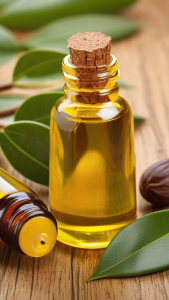
The Benefits of Jojoba Oil for Eczema Relief
Eczema can be an uncomfortable and frustrating skin condition for many people. If you have ever experienced the itchiness and dryness that come with eczema flare-ups, you may be searching for effective relief. You might have come across jojoba oil and wondered if it could help. Let’s explore whether jojoba oil is good for eczema and how it might benefit your skin.
Jojoba oil is derived from the seeds of the jojoba plant, native to North America. It is well-known for its impressive moisturizing properties. This oil closely resembles the natural oils produced by our skin, making it an excellent candidate for those suffering from eczema. Here are some of the ways that jojoba oil can aid in soothing eczema symptoms:
Natural Moisturization
One of the standout benefits of jojoba oil is its ability to deeply moisturize the skin. When your skin is dry, it can lead to irritation and itching. Jojoba oil helps by creating a protective barrier on the skin’s surface, preventing moisture loss. By keeping your skin hydrated, it can reduce the chances of eczema flare-ups.
Anti-Inflammatory Properties
Jojoba oil contains compounds that possess anti-inflammatory properties. These compounds can help calm the skin and reduce redness and swelling, which are common in eczema. Using jojoba oil regularly might help minimize the severity of your symptoms.
Healing Wounds
If you scratch your eczema, you may create tiny wounds that can become infected. Jojoba oil is known for its wound-healing abilities. It promotes skin repair and may help soothe irritation from scratching. This healing property makes it a great option for those experiencing eczema flare-ups.
Balancing Skin Oil Production
For those with eczema, the skin can sometimes produce excess oil or become too dry. The unique composition of jojoba oil helps to balance your skin’s oil production. This means it can aid both oily and dry skin conditions, making it a versatile choice for eczema sufferers.
How to Use Jojoba Oil for Eczema
Jojoba oil into your skincare routine is simple. Here are some methods to consider:
- Direct Application: Apply a few drops of jojoba oil directly to the affected area once or twice a day.
- Mix With Other Products: You can blend jojoba oil with your regular moisturizer to enhance hydration.
- Bath Soak: Add a few tablespoons of jojoba oil to a warm bath to moisturize your entire body.
Before applying jojoba oil to your skin, it is always best to perform a patch test. This trial run can help ensure that you do not have an allergic reaction to the oil.
Combining with Other Remedies
While jojoba oil can be beneficial on its own, you might find even more relief by combining it with other natural treatments. Here are some great pairings:
- Aloe Vera: Known for its soothing properties, aloe vera can complement jojoba oil beautifully when applied together.
- Shea Butter: Mixing shea butter with jojoba oil enhances moisturization for severe dryness.
Remember, individual results may vary. What works for one person may not work for another, so it’s essential to monitor how your skin responds. Integrating jojoba oil into your eczema management routine can be a natural, effective way to alleviate symptoms and promote healthier skin.
If you’re struggling with eczema and seeking natural solutions, consider giving jojoba oil a try. Its ability to moisturize, heal, and balance your skin oils can make a difference in your daily comfort and quality of life. Your skin will likely thank you for it!
Natural Remedies to Complement Jojoba Oil in Managing Eczema
Eczema can be a frustrating condition, often leaving skin dry, itchy, and inflamed. While jojoba oil is a popular natural remedy, many wonder about additional natural treatments that can complement its benefits. Various remedies have gained attention for their potential to help with eczema. Here, we explore some effective options you can consider alongside jojoba oil.
1. Coconut Oil
Coconut oil stands out as a well-known natural moisturizer. Its rich fatty acids can help hydrate the skin and reduce dryness associated with eczema. Additionally, coconut oil has anti-inflammatory properties, which may assist in alleviating redness and irritation. When used together with jojoba oil, the combination can create a potent moisturizing barrier that helps lock in hydration.
2. Aloe Vera
Aloe vera is recognized for its soothing properties. The gel from the aloe vera plant can provide instant relief from itching and help heal inflamed skin. This remedy is particularly beneficial for those experiencing flare-ups. Applying aloe vera before jojoba oil can enhance your skin’s healing process.
3. Sunflower Seed Oil
Sunflower seed oil is another excellent companion to jojoba oil. It is rich in vitamins A, C, and E, which are essential for skin health. This oil can help maintain the skin’s barrier function, reducing water loss and keeping skin hydrated. When combined, sunflower seed oil and jojoba oil can work together to improve your overall skin texture and hydration levels.
4. Oatmeal Baths
Oatmeal has long been a traditional remedy for skin irritations. Taking an oatmeal bath can significant soothe itchy and inflamed skin. The colloidal oatmeal helps to lock in moisture and create a protective layer on the skin. To maximize its effects, you can apply jojoba oil after the bath to further moisturize your skin.
5. Shea Butter
Shea butter is packed with essential fatty acids and vitamins, making it an excellent choice for dry and irritated skin. Its thick, creamy consistency offers a deep moisturizer that can improve skin barrier function. Applying jojoba oil first, followed by shea butter, can create a protective layer while keeping your skin hydrated.
6. Calendula Oil
Calendula oil is derived from marigold flowers and has anti-inflammatory properties. It has been shown to reduce skin irritations and promote healing in wounds and eczema lesions. calendula oil with jojoba oil can amplify its soothing effects, making it a wonderful choice for eczema-prone skin.
7. Tea Tree Oil
Tea tree oil is known for its antimicrobial properties. It can help prevent infections that can arise from scratching inflamed skin. However, tea tree oil is potent and should always be diluted with a carrier oil like jojoba before application. This mixture can offer protective benefits without causing irritation.
8. Honey
Honey is a natural humectant, meaning it draws moisture into the skin. It has antibacterial properties, which can help protect the skin from infections. Applying honey in your skincare routine along with jojoba oil can enhance moisture levels and provide a protective layer over irritated skin.
9. Chamomile
Chamomile is known for its calming effects and can help reduce inflammation and redness. Chamomile tea can be brewed and used as a compress on affected areas or added to baths to alleviate symptoms. Following up with jojoba oil can lock in the soothing effects of chamomile.
10. Essential Oils
While using essential oils, it’s crucial to choose those that are gentle and suitable for your skin. Lavender and frankincense oils are often used for their soothing properties. Always dilute essential oils in a carrier oil such as jojoba before applying.
Combining these natural remedies with jojoba oil can lead to a tailored skincare routine that helps manage eczema symptoms effectively. It’s always important to perform patch tests when trying new products and consult with your healthcare provider to ensure they fit into your overall skin care plan.
Conclusion
Jojoba oil stands out as a remarkable natural remedy for alleviating the discomforts of eczema. Its unique composition closely resembles the natural oils produced by our skin, making it an effective moisturizer that helps to lock in hydration. This oil not only soothes irritated skin but also provides anti-inflammatory properties, which can reduce redness and swelling associated with eczema flare-ups. By incorporating jojoba oil into your routine, you may find significant relief from itching and dryness, empowering you to manage your eczema more effectively.
To maximize the benefits of jojoba oil, consider using it alongside other natural remedies. For instance, incorporating aloe vera can enhance skin healing, while oatmeal baths can soothe irritation. Herbal extracts such as chamomile and calendula can also work synergistically with jojoba oil to calm inflammation and promote skin repair. These complementary treatments not only enhance the efficacy of jojoba oil but also contribute to a holistic approach in managing eczema.
Remember, each person’s skin reacts differently to various treatments. Therefore, it’s essential to conduct patch tests and consult with a healthcare provider before fully integrating new remedies into your skincare regimen. With the right combination of soothing agents, including the versatile jojoba oil, you can take significant steps towards finding relief from eczema, leading to healthier and happier skin. By focusing on natural ingredients and tailored skincare, you’re investing in the well-being of your skin and overall comfort.