
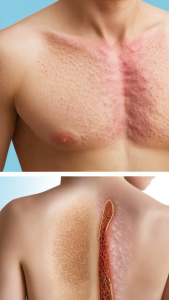
Understanding the Connection: Can You Have Eczema and Psoriasis Together?
Many people deal with skin conditions, and two common types are eczema and psoriasis. Both conditions can lead to red, inflamed, and itchy patches on the skin, but they are different disorders. A common question arises: can you have eczema and psoriasis together? Let’s explore how these conditions can coexist and what that means for you.
Understanding Eczema and Psoriasis
Eczema, often referred to as atopic dermatitis, is characterized by dry, itchy skin. It usually starts in childhood but can occur at any age. Triggers for eczema may include allergens, stress, and irritants. On the other hand, psoriasis is an autoimmune condition that results in rapid skin cell growth. This leads to thick, scaly patches, often seen on the elbows, knees, and scalp. Unlike eczema, psoriasis is not associated with allergies but may be triggered by stress, infections, or certain medications.
Can You Have Both Conditions?
Yes, it is possible to have both eczema and psoriasis at the same time. Although they are distinct conditions, they share some similarities in symptoms and triggers. Here are some factors to understand:
- Overlapping Symptoms: Both eczema and psoriasis can cause red, itchy patches, which sometimes makes it hard to distinguish between the two.
- Immune System: Eczema is often linked to allergies and a hyperactive immune response, while psoriasis is an autoimmune condition. However, some individuals may have an immune response that makes them susceptible to both conditions.
- Genetic Factors: Genetics play a role in both eczema and psoriasis. If you have a family history of either condition, your chances of developing one or both could increase.
- Triggers: Stress, skin injuries, and certain environmental factors can trigger symptoms for both eczema and psoriasis. In some cases, one flare-up may lead to another.
Signs and Symptoms to Watch For
Recognizing the signs of both conditions can help you better manage your skin health. Here are common symptoms for each:
Eczema Symptoms:
- Dry, sensitive skin
- Red or brownish-gray patches
- Itching, which may be severe
- Thickened, cracked skin
Psoriasis Symptoms:
- Thick, red patches of skin covered with silvery scales
- Dry, cracked skin that may bleed
- Itching, burning, or soreness
- Pitted nails or swollen joints
Risk Factors and Management
If you suspect you may have both eczema and psoriasis, it’s essential to consult a healthcare provider. They can offer a proper diagnosis and help you find the right treatment plan. Here are some management strategies:
- Customized Treatment: Your doctor may suggest different treatments for each condition. For example, topical steroids can help reduce inflammation in psoriasis, while moisturizers may be more effective for eczema.
- Avoid Triggers: Identifying and avoiding personal triggers can significantly help manage symptoms. Keeping a diary of flare-ups can be beneficial.
- Medications: In some cases, your healthcare provider may prescribe systemic medications or biologics, especially if both conditions severely affect your quality of life.
- Skin Care Routine: Maintain a consistent and gentle skin-care routine using mild cleansers and fragrance-free products. For eczema, consider using richer moisturizers, while psoriasis may benefit from over-the-counter salicylic acid.
Living with both eczema and psoriasis can be challenging, but understanding your condition is the first step toward effective management. Don’t hesitate to reach out to a dermatologist for personalized advice. Together, you can create a plan that suits your needs and improves your skin health.
Taking proactive measures and closely monitoring your skin can lead to a better quality of life, even when faced with the dual challenges of eczema and psoriasis.
Effective Management Strategies for Living with Both Eczema and Psoriasis
Living with both eczema and psoriasis can be challenging. These two skin conditions lead to discomfort, irritation, and frustration. Understanding how to manage both can greatly improve your quality of life. Here are some effective strategies to help you cope.
Identify Your Triggers
Recognizing what triggers your flare-ups is essential. Triggers may include:
- Stress
- Allergens (like pollen or dust)
- Certain foods
- Harsh weather changes
- Infections
Keep a journal to track your flare-ups and identify patterns. Knowing your triggers allows you to avoid them and reduce episodes of both eczema and psoriasis.
Implement a Gentle Skincare Routine
Your skincare routine plays a crucial role in managing both conditions. Follow these steps:
- Use mild, fragrance-free cleansers to avoid irritation.
- Moisturize daily, even when your skin feels good. This helps to maintain hydration and barrier function.
- Opt for thick creams or ointments over lotions, as they provide a better barrier for your skin.
- Be gentle when washing or applying products; pat your skin dry instead of rubbing.
Choosing the right products can make a significant difference in managing symptoms.
Stay Hydrated
Drinking enough water is vital for skin health. Proper hydration helps to keep your skin moist and may reduce the severity of eczema and psoriasis. Aim for around 8 cups of water daily. You might also consider adding foods high in water content to your diet, like fruits and vegetables.
Nourish Your Body with a Balanced Diet
The foods you eat influence your skin health. Incorporate:
- Fruits and vegetables rich in antioxidants
- Healthy fats from sources like avocados, nuts, and fish
- Whole grains
- Probiotics found in yogurt or fermented foods
Avoid foods that may trigger inflammation, like those high in sugar or processed ingredients. Keeping a food diary may help you identify any connections between what you eat and your skin conditions.
Consider Medication Options
In some cases, over-the-counter treatments won’t be enough. Consult your healthcare provider about potential medications. These may include:
- Topical corticosteroids to reduce inflammation
- Topical calcineurin inhibitors for areas sensitive to steroids
- Phototherapy, where skin is exposed to controlled UV light
- Oral medications if symptoms are severe
Your doctor can help you decide the best treatment plan suitable for both eczema and psoriasis.
Practice Stress Management Techniques
Stress can trigger flare-ups in both eczema and psoriasis. Consider these techniques for relaxation:
- Meditation and mindfulness are great for calming the mind.
- Yoga or gentle exercise can improve mood and reduce stress.
- Deep breathing exercises help release tension.
- Engage in hobbies that bring joy and relaxation.
Finding what helps you unwind can be a power tool in managing your skin conditions.
Seek Support
Connecting with others who understand can relieve feelings of isolation. Consider joining support groups, either online or in person. Sharing experiences can provide comfort and practical tips directly from those living with both eczema and psoriasis.
Living with both eczema and psoriasis is undoubtedly a complex task, but by implementing these management strategies, you can lead a more comfortable and fulfilling life. It’s essential to advocate for your health, be patient with your healing journey, and remember that you’re not alone.
Conclusion
Living with both eczema and psoriasis can feel overwhelming, but understanding the unique connection between these two conditions is the first step towards effective management. It’s important to remember that while they have distinct characteristics, they can indeed coexist in the same individual. This dual diagnosis may complicate treatment, but it doesn’t mean you have to suffer without support.
Adopting effective management strategies is crucial for improving your quality of life. Focus on maintaining a consistent skincare routine. Gentle, fragrance-free products can soothe irritation and keep your skin hydrated. It’s also wise to identify your triggers—environmental factors, dietary choices, or stress can worsen symptoms. Keeping a symptom diary can help you assess patterns and adapt accordingly.
Consulting healthcare professionals who understand the nuances of both eczema and psoriasis plays a vital role in your journey. They can recommend tailored therapies that address both conditions simultaneously, whether that’s topical treatments, phototherapy, or lifestyle modifications.
Building a support network can also be invaluable. Connecting with others who share similar experiences through support groups can provide not only emotional relief but also practical advice for navigating daily challenges.
Ultimately, empowering yourself with knowledge and resources will help you manage both eczema and psoriasis effectively. By embracing a holistic approach that prioritizes your well-being and speaks to both conditions, you can lead a life that’s less dictated by your skin and more focused on all the things you love. Remember, you’re not alone in this journey.