
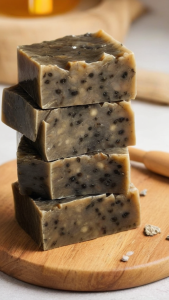
The Benefits of Black Soap for Eczema Relief
Eczema is a common skin condition that can cause red, itchy, and inflamed skin. With so many products claiming to alleviate eczema symptoms, it’s crucial to find a solution that works well for you. One natural remedy gaining popularity is black soap. This traditional African soap is known for its unique ingredients and potential benefits for various skin conditions, including eczema. But is black soap good for eczema? Let’s explore how it may help.
What is Black Soap?
Black soap, often referred to as African black soap, is made from the ashes of burned plantain skins, cocoa pods, and other natural ingredients. This soap is rich in vitamins and antioxidants. Its natural formulation allows it to be gentle on the skin, which is especially important for those suffering from eczema.
Hydrating Properties
One remarkable benefit of black soap is its ability to hydrate the skin. Unlike many commercial soaps that can strip away natural oils, black soap helps retain moisture. For someone with eczema, maintaining hydration is vital, as dry skin can exacerbate symptoms. Using black soap can help soothe and relieve dryness, making it a good option for eczema-prone skin.
Anti-Inflammatory Benefits
Inflammation is a key factor in eczema flare-ups. Black soap contains various natural ingredients, such as shea butter and coconut oil, which possess anti-inflammatory properties. These ingredients can help reduce redness, swelling, and itching associated with eczema, providing much-needed relief.
Rich in Nutrients
Black soap is loaded with beneficial nutrients. Here are some key components that can help improve your skin health:
- Vitamins A and E: These vitamins promote skin repair and rejuvenation.
- Iron: Helps improve blood circulation to the skin, which can aid in healing.
- Antioxidants: Protect the skin from environmental damage.
Regularly using black soap can nourish your skin, making it healthier and more resilient against eczema irritation.
Gentle Cleansing
Cleansing is a necessary part of any skincare routine, especially for those with eczema. However, many soaps can be harsh and drying. Black soap offers a gentle cleansing experience without the risk of aggravating sensitive skin. It’s a valuable choice for anyone looking to maintain skin health without harsh chemicals.
Natural Exfoliation
Another unique feature of black soap is its exfoliating properties. The natural ingredients in black soap can promote gentle exfoliation, helping to remove dead skin cells. This process can prevent clogged pores and improve skin texture. Keeping your skin fresh can also help reduce the occurrence of eczema flare-ups, making black soap an essential addition to your skincare routine.
How to Use Black Soap for Eczema
When incorporating black soap into your skincare routine, consider these steps:
- Patch Test: Always start with a patch test. Apply a small amount on a less sensitive area of your skin to check for any adverse reactions.
- Use Lukewarm Water: When washing your skin, use lukewarm water instead of hot water, which can irritate eczema-prone skin.
- Moisturize After Use: Follow up with a good moisturizer to lock in hydration after using black soap.
By following these simple steps, you can maximize the benefits of black soap for eczema relief.
Consult with a Dermatologist
While black soap can be beneficial, it’s essential to consult with your dermatologist before trying any new skincare products. Each person’s skin is different, and a professional can guide you in making the best decisions for your specific skin needs. This can help you avoid any potential irritants and ensure that your eczema is managed effectively.
Black soap holds promise as a natural remedy for eczema. Its hydrating, anti-inflammatory, and gentle cleansing properties make it a compelling choice for those looking to alleviate eczema symptoms naturally. If you’re struggling with eczema, consider giving black soap a try as part of your skincare journey.
Comparing Traditional Eczema Treatments with Natural Options like Black Soap
Dealing with eczema can be a challenging journey for many. Eczema is a skin condition characterized by red, itchy, and inflamed skin. Traditional treatments often involve topical corticosteroids or antihistamines, but some people are exploring natural alternatives like black soap. Understanding how these treatments compare can help you make an informed choice.
Traditional eczema treatments primarily include:
- Corticosteroids: These are prescribed to reduce inflammation and itchiness. While effective, they may cause side effects if used long-term, such as skin thinning.
- Moisturizers: Hydration is key for managing eczema. Over-the-counter or prescription moisturizers help maintain skin barrier function, reducing flare-ups.
- Antihistamines: Used primarily for itching, these can provide relief, especially at night.
- Immunomodulators: Drugs that modify the immune response can help in severe cases but may also have potential side effects.
On the natural side, many are curious about black soap. Traditionally made in West Africa from a mix of plantain skins, cocoa pods, and palm oil, this soap has gained popularity for its wholesome ingredients and skin benefits.
So, is black soap good for eczema? The answer isn’t straightforward, but many people find it beneficial. Black soap contains natural ingredients that may soothe irritated skin. Some potential benefits include:
- Gentle Cleansing: Unlike harsh commercial soaps, black soap is gentle and can help cleanse the skin without stripping natural oils, maintaining moisture levels.
- Antimicrobial Properties: The plant ingredients may help fight off bacterial and fungal infections, keeping the skin free from additional irritations.
- Anti-inflammatory Effects: Black soap can reduce redness and inflammation, providing relief from eczema flare-ups.
- Nourishing Ingredients: Rich in vitamins A and E, black soap can help promote healing and skin health.
While black soap has many potential benefits, it’s crucial to start with a patch test before applying it to large areas of your skin. Every individual’s skin reacts differently, and what works for one may not work for another. If you’re allergic to any of the natural components, using black soap could aggravate your eczema rather than help it.
When comparing traditional treatments and natural options like black soap, consider the following:
- Severity of Eczema: For mild eczema, black soap may be a gentle alternative. However, for moderate to severe cases, traditional treatments might offer quicker relief.
- Skin Sensitivity: Individuals with sensitive skin may find black soap more suitable, as it is generally free from artificial chemicals found in many traditional products.
- Holistic Approach: Using a combination of natural and traditional treatments under a dermatologist’s guidance may provide a balanced strategy for managing eczema.
It’s also essential to maintain a consistent skincare routine. Whether you choose traditional treatments, black soap, or both, keeping your skin moisturized is vital. After cleansing with black soap, always follow up with a rich moisturizer to lock in hydration.
Consulting with a healthcare professional can help tailor your eczema management plan. They can provide guidance on whether to incorporate black soap or stick to established treatments depending on your specific needs and skin condition. Always remember that managing eczema often requires trial and error to find what works best for you.
While traditional treatments for eczema have their place, natural options like black soap offer a gentle, skin-friendly alternative for many. The key is to listen to your skin and adjust your routine as needed to achieve the best results. Ultimately, whether you choose black soap, traditional medications, or a combination of both, the goal is to find relief and maintain healthy skin.
Conclusion
When considering solutions for eczema, the benefits of black soap make it a noteworthy option. This natural product, made from plant-based ingredients, is celebrated for its gentle properties that can soothe irritated skin. Many users have reported relief from itching and inflammation, finding that black soap hydrates and nourishes their dry patches, contributing to overall skin health. The antioxidants and anti-inflammatory properties present in black soap offer a safe alternative to harsh chemicals found in traditional treatments.
While traditional eczema treatments, such as topical steroids, often provide quick relief, they can lead to unwanted side effects with prolonged use. In contrast, black soap is a gentler solution that many individuals can use regularly, minimizing the risk of irritation or dependency. The shift towards natural options like black soap is gaining momentum, especially among those who prefer a holistic approach to skincare.
Ultimately, the choice between black soap and conventional treatments should revolve around personal preferences and skin sensitivities. If you’re looking for a soothing, natural remedy for your eczema, black soap could very well be the answer. However, it is always advisable to consult with a healthcare professional before altering your skincare routine. Through thoughtful consideration and exploration of various treatments, you can find the best way to manage eczema and achieve healthier skin.