
Understanding the Differences: Is Cradle Cap Eczema or Something Else?
If you’ve noticed flaky, crusty patches on your baby’s scalp, you might be wondering if this is cradle cap or eczema. Both conditions seem similar at first glance, but understanding the differences is crucial for effective treatment and care.
Cradle cap, also known as infantile seborrheic dermatitis, typically shows up as yellowish, greasy scales on the scalp. While it can also appear in other areas like the face, behind the ears, and in skin folds, it is most commonly recognized on the head. Cradle cap is harmless and most often resolves on its own within a few months. It may look uncomfortable, but it usually doesn’t cause any itching or pain. As a parent, seeing your baby with these patches can be concerning, but knowing what you’re dealing with can make a big difference.
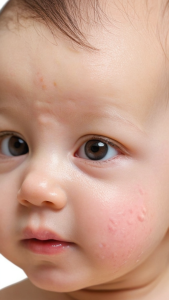
Eczema, on the other hand, is a term that refers to a variety of conditions characterized by inflamed, itchy skin. In babies, one common form of eczema is atopic dermatitis. Unlike cradle cap, eczema often appears red and dry, and it can lead to intense itching and irritation. This can make eczema a more distressing experience for your child and may require more active management to relieve symptoms.
Here is a quick comparison of cradle cap and eczema:
- Appearance: Cradle cap appears as yellow, greasy scales while eczema looks red, dry, and inflamed.
- Location: Cradle cap mostly affects the scalp; eczema can appear anywhere on the body.
- Symptoms: Cradle cap is usually not itchy; eczema can be very itchy and uncomfortable.
- Duration: Cradle cap typically resolves on its own in a few months; eczema may require ongoing treatment.
- Treatment: Cradle cap can often be treated with gentle washing and moisturizing; eczema may need medicated creams or other therapies.
To further assist in distinguishing between the two, consider examining your child’s skin closely. Cradle cap generally does not ooze or bleed. If you notice these symptoms, it might indicate eczema or another skin condition that requires your pediatrician’s attention. It’s also important to observe if your child seems uncomfortable or is scratching their skin. If so, that may suggest eczema rather than cradle cap.
Treating cradle cap usually involves softening the scales using baby oil, mineral oil, or a gentle shampoo designed specifically for infant eczema or cradle cap. After applying oil, you can gently brush the scalp with a soft-bristled brush to help lift off the scales. If it seems particularly stubborn, don’t hesitate to consult your pediatrician for further advice.
For eczema, moisturizing is key, along with avoidance of known irritants like certain soaps and laundry detergents. Your doctor might recommend a corticosteroid cream or other medications to help reduce inflammation and itching. Keeping your baby’s skin hydrated is crucial in managing eczema and preventing flare-ups.
While cradle cap and eczema may appear similar, they are distinct conditions that require different approaches for care. Knowing the signs and symptoms can help you ensure your child’s comfort and health. If you’re ever in doubt about what you’re seeing on your baby’s skin, it’s wise to consult your healthcare provider for tailored advice and treatment options. After all, your peace of mind is just as important as your baby’s skin health.
By understanding whether it’s cradle cap or eczema, you can provide the right care to your little one, helping them feel more comfortable during their early months of life.
Effective Treatments and Home Remedies for Cradle Cap and Eczema
Cradle cap and eczema are two skin conditions that can affect babies and young children. While they may appear similar, understanding their differences and knowing how to treat them effectively is crucial for parents. Effective treatment options and home remedies can alleviate symptoms and improve the comfort of your little one.
Understanding Cradle Cap
Cradle cap, scientifically known as seborrheic dermatitis, is a common skin condition in infants. It usually presents as yellow or brown crusty patches on the scalp. While cradle cap might look alarming, it is generally harmless. This condition often resolves itself within a few months. However, parents can take steps to ease any discomfort and help clear the scalp faster.
Effective Treatments for Cradle Cap
- Gentle Washing: Regularly wash your baby’s hair with mild baby shampoo. This can help remove the scales and prevent buildup.
- Soft Brush: Using a soft brush or a cloth, gently scrub the affected area. This can help loosen the scales and make washing easier.
- Natural Oils: Applying natural oils such as coconut oil or olive oil can soothe the scalp. After applying, let it sit for about 20 to 30 minutes, then wash it out gently.
- Medicated Shampoos: If the cradle cap persists, consult with a pediatrician. They may recommend a medicated shampoo containing ingredients like ketoconazole or selenium sulfide.
Understanding Eczema
Eczema, or atopic dermatitis, is a chronic skin condition that can cause dry, itchy, and inflamed skin. It can affect different parts of the body and may flare up due to various triggers, including allergens, dryness, and heat. Eczema can be more challenging than cradle cap, as it often requires ongoing management.
Effective Treatments for Eczema
- Moisturizers: Keeping the skin hydrated is key. Use fragrance-free moisturizers multiple times a day, especially after bathing, to lock in moisture.
- Topical Steroids: For flare-ups, doctors often recommend a mild topical corticosteroid to reduce inflammation. Use them as directed to avoid potential side effects.
- Antihistamines: If itching is severe, over-the-counter antihistamines may help ease discomfort. Consult your pediatrician first before administering any medication.
- Avoid Triggers: Keep a diary to identify triggers that worsen your child’s eczema. Common triggers can include certain foods, detergents, and fabrics.
Home Remedies for Both Conditions
In addition to medical treatments, some home remedies can support the healing process for both cradle cap and eczema. These options are often safe and can enhance the effectiveness of prescribed treatments.
- Oatmeal Baths: Adding colloidal oatmeal to your baby’s bath can provide relief from itchiness and help soothe inflamed skin.
- Coconut Oil: This natural oil has anti-inflammatory properties. When applied to either cradle cap or eczema, it can reduce redness and irritation.
- Chamomile Tea Compress: Soak a clean cloth in cooled chamomile tea and apply it to irritated areas. This gentle remedy can calm the skin.
- Maintain a Humid Environment: Using a humidifier in your child’s room can help keep the skin moisturized, especially in dry climates.
While cradle cap usually resolves on its own, being proactive with treatment can speed up the process and reduce discomfort for your baby. On the other hand, eczema may require more persistent management. Remember to consult with your healthcare provider before starting any new treatment or remedy. Keeping your child comfortable and healthy is the ultimate goal, and a personalized approach can make all the difference.
Conclusion
Differentiating between cradle cap and eczema is essential for parents seeking the right care for their little ones. While both conditions can appear similar, their causes and treatments can be quite distinct. Cradle cap, known medically as seborrheic dermatitis, usually manifests as yellow, crusty patches on the scalp and is often harmless. On the other hand, eczema is a chronic skin condition that may present as red, itchy, and inflamed skin, which can occur anywhere on the body.
Understanding these differences allows you to tailor your approach to treatment effectively. For cradle cap, gentle washing with a mild shampoo and applying natural oils can help manage the build-up of scales. If you notice your child struggling with eczema, it might require a more comprehensive approach, including topical creams, moisturizers, and lifestyle adjustments to minimize triggers.
Both conditions can be managed with effective treatments and home remedies. Simple methods, such as keeping the skin moisturized and avoiding irritants, can significantly relieve symptoms. Consulting a healthcare provider is crucial for personalized advice and to ensure that you follow the right path for your child’s skin health.
Understanding that cradle cap is not eczema can ease your worries and help you implement the most suitable care strategies. Ultimately, being informed and proactive enables you to create a comfortable skin environment for your little one, paving the way for a happier, healthier experience.