
Exploring the “Do I Have Eczema Quiz”: How to Identify Symptoms and Seek Help
Are you dealing with itchy skin and wondering, “Do I have eczema?” You’re not alone. Identifying eczema can be complicated, but with a helpful quiz and awareness of symptoms, you can find clarity. Eczema, also known as atopic dermatitis, affects many people, yet it often goes undiagnosed. A simple quiz might be the first step in understanding your condition.
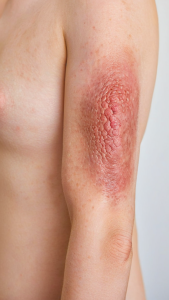
What exactly should you look for? Eczema typically presents with a variety of symptoms. Each person may experience it differently, but some common indicators include:
- Itchiness: Constant itching can be one of the most distressing symptoms.
- Red or brownish-gray patches: These may appear on various areas of the body, commonly on the arms, face, and behind the knees.
- Dry, sensitive skin: Your skin may feel rough and flaky or appear irritated.
- Thickened, cracked skin: Continuous scratching may lead to skin changes.
- Oozing or crusting: Open sores may develop when the skin is scratched.
The “Do I Have Eczema Quiz” is designed to help you evaluate your symptoms. It typically features a series of questions that cover your skin’s condition and your lifestyle. Here’s how it usually works:
- Answer questions about your skin: You may be asked how often you experience itching or if you have had any skin reactions in the past.
- Self-assess your triggers: Recognizing what makes your skin flare up is important. Common triggers include soaps, chemicals, and certain foods.
- Evaluate your family history: Eczema often runs in families, so be prepared to provide information about any family members who have experienced similar issues.
Keep in mind that these quizzes are a helpful starting point but not a replacement for professional medical advice. After taking the quiz, you may feel more informed about your situation and whether it warrants a visit to a healthcare provider.
So why seek help? Eczema can significantly impact your quality of life. In addition to physical discomfort, the emotional toll can be substantial, especially if the condition affects your confidence. When you’re unsure if you have eczema, a healthcare provider can offer potential treatment options and advice.
There are several types of treatments available for eczema, which may include:
- Topical corticosteroids: These can help reduce inflammation during flare-ups.
- Moisturizers: Keeping your skin hydrated is crucial in managing eczema symptoms.
- Immunomodulators: Non-steroidal creams can help control inflammation for more severe cases.
- Phototherapy: Some patients find relief with light therapy if other treatments are ineffective.
In addition, everyday changes may help alleviate symptoms. Consider the following tips to manage your skin effectively:
- Avoid known triggers: Identify specific irritants that cause your eczema to flare up.
- Maintain a regular skincare routine: Hydrate and protect your skin daily, especially after bathing.
- Wear breathable fabrics: Choose cotton or other natural fibers over synthetic materials to prevent irritation.
Taking the “Do I Have Eczema Quiz” is a flexible, straightforward method to begin understanding your skin condition. Make sure to take note of your symptoms and life events that coincide with flare-ups. This information can be valuable for discussions with your doctor.
Engagement with a healthcare professional is the best way to follow through on your concerns. They can offer personalized advice and ensure you are on the right path to managing your skin condition. Eczema can be tricky, but with the right information and support, you can work towards healthier skin.
Remember, taking action is vital! The sooner you address your symptoms and seek help, the better equipped you’ll be to manage eczema or any other skin issues.
Effective Management Strategies for Living with Eczema
Managing eczema can be challenging, but there are effective strategies that can help you find relief and improve your quality of life. Understanding your skin condition is the first step. Eczema is characterized by dry, itchy, and inflamed skin. While it can sometimes feel overwhelming, there are ways to take control of your symptoms through daily routines, products, and lifestyle choices.
Identify Your Triggers
Recognizing what triggers your eczema flare-ups is crucial. Common triggers include:
- Cold weather or extreme heat
- Harsh soaps or detergents
- Stress
- Allergens like pollen and pet dander
- Certain foods, such as dairy or nuts
Keep a journal to track your flare-ups and identify patterns.
If you notice a specific trigger, try to avoid it whenever possible. Reducing exposure to known triggers can significantly lower the severity and frequency of your eczema symptoms.
Moisturize Regularly
Moisturizing your skin is essential to managing eczema. By keeping your skin hydrated, you can alleviate dryness and reduce itching. Here are some tips for effective moisturizing:
- Apply a thick moisturizer after bathing to seal in moisture.
- Choose products labeled “fragrance-free” and “hypoallergenic.”
- Use ointments or creams rather than lotions for better hydration.
- Make moisturizing a part of your daily routine, ideally two to three times a day.
Experiment with different products to find what works best for your skin type.
Practice Good Hygiene Habits
Maintaining good hygiene is also important in managing eczema. Here are some key practices to integrate into your routine:
- Shower with lukewarm water instead of hot water.
- Limit your shower time to about 10 minutes.
- Use gentle, moisturizing cleansers instead of harsh soaps.
- Pat your skin dry with a soft towel instead of rubbing.
By adopting a gentle cleansing routine, you can prevent skin irritation that may exacerbate your condition.
Adopt a Healthy Lifestyle
Your overall health impacts how your skin feels. Here are some lifestyle choices that can benefit your skin:
- Eat a balanced diet rich in fruits, vegetables, whole grains, and healthy fats.
- Stay hydrated by drinking plenty of water throughout the day.
- Practice stress-reducing techniques such as yoga, meditation, or deep breathing exercises.
- Get adequate sleep to help your body repair and rejuvenate.
These healthy habits will not only assist in managing eczema but will also improve your general well-being.
Utilize Medication as Needed
If your symptoms are severe, consult a healthcare professional. They may recommend:
- Corticosteroid creams to reduce inflammation
- Antihistamines for itch relief
- Immunomodulators for moderate to severe cases
Always follow the guidance of a healthcare provider regarding the proper use of medications. They can help tailor a treatment plan specific to your needs, ensuring you manage your symptoms effectively.
Keep Your Environment Comfortable
Your immediate surroundings can influence your eczema. To create a more comfortable environment, consider these tips:
- Use a humidifier in dry weather.
- Keep your home cool to minimize sweating.
- Wash bedding in hot water and use protective covers for allergens.
A comfortable environment can work wonders in keeping your eczema under control.
Living with eczema can feel like an uphill battle, but implementing these management strategies can lead to noticeable improvements. By identifying your triggers, moisturizing regularly, practicing good hygiene, adopting a healthy lifestyle, utilizing medication when needed, and ensuring your environment is optimal, you can take significant steps towards managing your eczema effectively. With patience and commitment, you can live a comfortable, fulfilling life despite your skin condition.
Conclusion
Understanding whether you have eczema can be a vital step toward better skin health and overall well-being. The "Do I Have Eczema Quiz" serves as a helpful tool for recognizing the symptoms that often accompany this condition, such as itchy, dry patches, redness, and inflammation. If you’re experiencing these symptoms, taking the quiz can guide you in identifying whether a visit to a healthcare professional is warranted. Early diagnosis and intervention make a significant difference in managing the condition effectively.
Living with eczema does not have to be a constant struggle. With effective management strategies, you can alleviate symptoms and improve your quality of life. Techniques such as moisturizing daily, avoiding known irritants, and following a consistent skincare routine can dramatically reduce flare-ups. Additionally, understanding your triggers helps you prevent potential outbreaks.
It’s crucial to recognize that you’re not alone in this journey. Many others face similar challenges with eczema, and resources are available to provide support and information. From medical advice to community forums, reach out and connect with those who understand what you’re going through. Taking proactive steps in seeking help and exploring management options can empower you to reclaim your skin health and live comfortably. By being informed and equipped, you can turn the tide against eczema and enjoy life’s moments with confidence.