
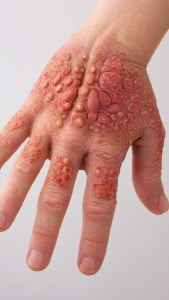
Understanding Dyshidrotic Eczema: Risks and Concerns
Dyshidrotic eczema is a skin condition that primarily affects the hands and feet. It can lead to small, itchy blisters that can be quite uncomfortable. You might be wondering whether dyshidrotic eczema is dangerous and what risks are associated with it. Understanding this condition can help you manage your symptoms effectively and avoid potential complications.
What is Dyshidrotic Eczema?
This form of eczema is characterized by tiny, fluid-filled blisters on the sides of fingers, palms of hands, and soles of the feet. The blisters often itch intensely and can cause a great deal of discomfort. When the blisters break, they may become crusty, and this can lead to an increased risk of infection.
Symptoms and Triggers of Dyshidrotic Eczema
Common symptoms of dyshidrotic eczema include:
- Small, itchy blisters
- Red, swollen skin
- Cracked or scaly skin after blisters burst
- Painful sensations in the affected areas
Many factors can trigger an outbreak of dyshidrotic eczema, including:
- Allergens such as nickel or certain soaps
- Stress
- Sweating or humidity
- Skin irritants or harsh chemicals
Is Dyshidrotic Eczema Dangerous?
While dyshidrotic eczema itself is not life-threatening, it does come with several risks that you should be aware of. One of the most concerning aspects is the possibility of secondary infections. When the blisters break, they can become entry points for bacteria, which might lead to infections that require medical treatment.
Additionally, severe itching can lead to constant scratching, which further damages the skin. This behavior can result in more extensive skin problems, including fissures or open wounds. It’s essential to recognize these risks and take preventive measures.
Complications Associated with Dyshidrotic Eczema
Though not inherently dangerous, dyshidrotic eczema can lead to complications if not managed properly. Here are a few potential issues:
- Infections: Bacteria can infect broken skin, leading to conditions like cellulitis.
- Scarring: Persistent scratching may cause scarring or changes in skin texture.
- Chronic Discomfort: The ongoing itch and pain can affect your quality of life.
- Emotional Distress: The visibility of skin lesions can lead to anxiety or depression.
Managing Dyshidrotic Eczema
While dyshidrotic eczema can be challenging, there are several steps you can take to manage your symptoms effectively:
- Keep your skin moisturized to prevent dryness.
- Avoid known triggers, whether they are allergens or irritants.
- Consider wearing gloves when handling irritants, like cleaning products.
- Practice stress management techniques such as meditation or deep breathing.
- Consult a dermatologist for tailored treatment options, including topical corticosteroids or antihistamines.
When to Seek Medical Help
If you experience severe symptoms, such as intense pain or blisters that do not improve with home treatment, it’s crucial to seek medical help. Quick action can often prevent complications and alleviate discomfort. A healthcare professional can provide guidance and treatments tailored to your specific situation.
While dyshidrotic eczema is not dangerous in a life-threatening sense, it carries risks that can lead to infections and long-term skin issues. Understanding your triggers, managing symptoms effectively, and seeking timely medical attention when necessary can help you live comfortably with this condition. Prioritizing skin health is key to reducing the impact of dyshidrotic eczema on your life.
Effective Management Strategies for Dyshidrotic Eczema
Managing dyshidrotic eczema can often be challenging, but with the right strategies, you can reduce flare-ups and maintain healthier skin. This specific type of eczema causes tiny, itchy blisters on the hands and feet, which can lead to discomfort and frustration. Here are some effective management strategies to help you cope with this condition.
Understanding Triggers
Identifying what triggers your dyshidrotic eczema is the first step in effective management. Common triggers include:
- Stress: High-stress levels can enhance breakouts, so finding stress relief strategies is essential.
- Moisture: Both excessive moisture and dryness can cause issues, so aim for a balanced environment.
- Allergens: Items like nickel found in jewelry or certain metals can cause reactions.
- Heat: High temperatures may prompt flare-ups; consider a cooler setting when possible.
- Certain soaps and detergents: Switch to gentle, fragrance-free products to limit skin irritation.
Skincare Routine
A consistent skincare routine is crucial in managing dyshidrotic eczema. Here are some key elements to include:
- Moisturizing: Keep your skin moisturized using creams or ointments that are free from fragrances and alcohol. Look for products that contain ceramides or hyaluronic acid, which can help rebuild your skin barrier.
- Gentle Cleansing: Use mild, non-irritating cleansers. Avoid hot water during baths or showers, as this can further dry out your skin.
- Protective Measures: When washing dishes or using cleaning products, always wear gloves to avoid contact with irritating substances.
Topical Treatments
Your healthcare provider may recommend topical treatments to alleviate your symptoms:
- Topical Steroids: These can reduce inflammation and alleviate itching. Use as directed by your physician.
- Corticosteroids: Stronger treatments might be necessary during severe flare-ups, working to calm the skin quickly.
- Calcineurin Inhibitors: These are non-steroid options that can be effective without the side effects of corticosteroids.
Lifestyle Adjustments
Making certain lifestyle adjustments can also benefit those coping with dyshidrotic eczema:
- Stress Management: Techniques such as yoga, meditation, or deep breathing can help lower stress levels that may trigger flare-ups.
- Diet Considerations: While not universally applicable, some individuals find that certain foods can contribute to symptoms. Keeping a food diary may help identify any food-related triggers.
- Stay Hydrated: Drinking plenty of water keeps your skin hydrated from the inside out.
Consulting a Specialist
If you find that your dyshidrotic eczema continues to worsen despite your management efforts, it may be time to consult a dermatologist. A specialist can:
- Provide tailored treatment options.
- Introduce you to innovative therapies, such as phototherapy.
- Help you understand the best products to use based on your specific skin type and condition.
Monitoring Your Condition
Keeping track of your symptoms and their severity is vital. Consider maintaining a diary to note:
- When flare-ups occur and their duration.
- Potential triggers you suspect.
- Your daily skincare routine and any changes to products used.
This information will be invaluable when discussing your condition with healthcare providers.
Dyshidrotic eczema can be uncomfortable, but with diligent management, you can minimize its impact on your life. Use the strategies mentioned to identify your triggers, maintain a healthy skincare routine, and adjust your lifestyle as needed. With patience and persistence, relief is possible.
Conclusion
Living with dyshidrotic eczema can be challenging, but understanding its risks and concerns is vital for those affected. This condition causes itchy, fluid-filled blisters, usually on your hands and feet, and while it can be uncomfortable, it’s important to note that it generally does not pose a serious health threat. However, it can lead to secondary infections if the blisters break, so being aware of hygiene is crucial.
To effectively manage dyshidrotic eczema, adopting proper skin care routines can make a significant difference. Keeping your skin moisturized is essential, as dryness can trigger flare-ups. Consider using barriers, such as gloves when handling irritating substances or water, to protect your skin. Additionally, stress management techniques, like mindfulness or relaxation exercises, can lessen the severity of your symptoms, since stress often exacerbates this condition.
It’s equally important to recognize your unique triggers—be it allergens, temperature changes, or certain soaps—and take steps to minimize exposure. Regular communication with a healthcare provider can also help you explore tailored treatments and therapies designed to soothe your skin and improve your quality of life.
Arming yourself with knowledge and proactive strategies will empower you in your journey with dyshidrotic eczema. With the right approach, you can effectively manage symptoms, reduce flare-ups, and lead a fulfilling life.