
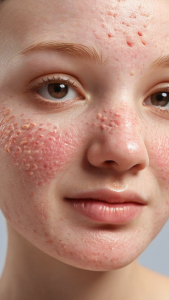
Exploring the Best Remedies for Eczema: What Works and Why
Eczema is a common skin condition that can cause dry, itchy, and inflamed skin. If you’re one of the millions looking for relief, understanding what works best for eczema can be crucial for you. Let’s explore the remedies that have proven beneficial for many people dealing with this condition.
Moisturizers: The First Line of Defense
Keeping the skin well-moisturized is essential for managing eczema. Here’s what you should know:
- Choose Thick Creams: Unlike lotions, thick creams and ointments help lock in moisture better. Look for products with ingredients like ceramides or glycerin.
- Apply After Bathing: To trap moisture, apply your moisturizer immediately after bathing, while the skin is still damp.
- Use Fragrance-Free Options: Scents can irritate sensitive skin. Opt for unscented products to avoid flare-ups.
Topical Treatments
Over-the-counter or prescription topical treatments can soothe eczema. Below are a few options you might consider:
- Hydrocortisone Cream: This mild steroid cream reduces inflammation and itching. Use it sparingly, as prolonged use can thin the skin.
- Calcineurin Inhibitors: Creams like tacrolimus (Protopic) and pimecrolimus (Elidel) help lower inflammation without steroid-related side effects.
- Coal Tar Preparations: These can help with itching and scaling but can be messy and may stain clothing.
Oral Medications
If topical treatments aren’t enough, your doctor may recommend oral medications. Here are some common options:
- Antihistamines: These can help reduce itching, especially at night. Sedating options like diphenhydramine can help you sleep better.
- Oral Corticosteroids: For short-term use, these can reduce severe inflammation quickly but come with risks if used long-term.
- Immunosuppressants: Medications like cyclosporine or methotrexate can be effective for severe conditions but require careful medical oversight.
Light Therapy
Phototherapy, or light therapy, is another effective option for eczema. This treatment uses ultraviolet light to reduce inflammation and improve symptoms. If you prefer a more holistic approach, speak with your doctor about this option and how it may fit into your treatment plan.
Bathing Practices
How you bathe can also affect eczema. Consider these practices to help soothe your skin:
- Use Lukewarm Water: Hot water can strip the skin of its natural oils, so opt for lukewarm water instead.
- Limit Time in Water: Keep baths or showers to 10-15 minutes to avoid drying out your skin.
- Add Bath Oils: Products like colloidal oatmeal or bath oils can help moisturize your skin while bathing.
Dietary Considerations
Some people find that certain foods trigger their eczema flare-ups. Consider keeping a food diary to track what you eat and how it affects your skin. Common triggers can include:
- Dairy products
- Eggs
- Gluten
- Nuts and seeds
If you suspect food sensitivities, consult a healthcare professional before making significant dietary changes. They can help ensure you maintain a balanced diet while avoiding triggers.
Stress Management
Stress can exacerbate eczema symptoms for many people. Implementing stress management techniques can be beneficial. Consider practices like:
- Mindfulness Meditation: This can help reduce stress and improve your overall mood.
- Yoga and Exercise: Regular physical activity can boost endorphins and reduce stress.
- Deep Breathing Exercises: These can help calm your mind and body, making it easier to cope with eczema symptoms.
Finding the best thing for eczema often involves a combination of remedies tailored to your needs. Stay in close contact with your healthcare provider to develop a comprehensive management plan that effectively addresses your symptoms while improving your quality of life.
Understanding Eczema Triggers: How to Avoid Flare-Ups and Maintain Healthy Skin
Eczema is a common skin condition that can lead to dry, itchy, and inflamed skin. Understanding what can trigger eczema flare-ups is crucial for maintaining healthy skin. By being aware of these triggers, you can take steps to avoid them and enjoy a more comfortable life. Here are some common triggers to consider:
Environmental Factors
Environmental factors play a significant role in exacerbating eczema. Here are several elements to watch out for:
- Weather Changes: Extreme temperatures, whether hot or cold, can irritate the skin. Humidity levels also matter—too much or too little can lead to dryness and discomfort.
- Pollution: Air pollution and exposure to harsh chemicals can aggravate skin conditions. It’s best to minimize time spent in heavily polluted areas.
- Humidity: Low humidity can dry out the skin, making it more prone to irritation. Using a humidifier can help maintain moisture in your home.
Personal Care Products
The products you use daily may contribute to flare-ups. To maintain healthy skin, consider the following:
- Soaps and Cleansers: Harsh soaps can strip your skin of natural oils. Opt for gentle, fragrance-free cleansers designed for sensitive skin.
- Moisturizers: Regular moisturizing is key to keeping eczema at bay. Look for creams that contain ingredients like ceramides and hyaluronic acid.
- Laundry Detergents: Some detergents can irritate sensitive skin. Choose hypoallergenic options without dyes or fragrances.
Food Allergies
Food can be another significant trigger for eczema flare-ups. While food allergies vary from person to person, some common offenders include:
- Dairy Products: For some individuals, dairy can lead to irritation, so monitor your skin’s reaction if you consume these.
- Nuts: Tree nuts and peanuts are common allergens that may exacerbate eczema symptoms in sensitive individuals.
- Gluten: Some people find that gluten triggers their eczema, while others may not experience any connection.
Stress Management
Believe it or not, stress can impact your skin health. High stress levels can cause your skin to flare up. Here are a few techniques to manage stress effectively:
- Meditation: Spending just a few minutes each day in calm reflection can reduce stress levels significantly.
- Regular Exercise: Engaging in physical activity boosts your mood and helps your body combat stress.
- Breathing Exercises: Deep breathing can relax your body and mind, providing a quick stress relief method.
Clothing Choices
Your wardrobe can have a surprising impact on your skin. Here’s how to choose the right clothing:
- Fabrics: Opt for breathable materials like cotton. Avoid wool and synthetic fabrics that may irritate your skin.
- Fit: Loose-fitting clothes can minimize friction on your skin, which helps keep inflammation at bay.
- Washing: Wash new clothes before wearing them to remove any chemicals or residues that may irritate your skin.
Addressing these triggers is just one aspect of managing eczema effectively. Sometimes, you may need professional guidance. Consulting with a dermatologist can help you find tailored treatments that work best for your skin type. They may recommend medications or other therapies to provide relief.
Staying informed and proactive is essential in managing eczema. By avoiding these triggers, monitoring your skin condition, and maintaining a healthy skincare routine, you can achieve healthier skin. Remember, lifestyle adjustments can have a positive impact on your skin’s health! Keep track of your symptoms and consult with a healthcare professional when needed to find the best approach for your situation.
Conclusion
Finding the best thing for eczema involves a multi-faceted approach that combines effective remedies with a solid understanding of your personal triggers. Products like emollients, topical corticosteroids, and natural treatments like coconut oil or aloe vera can offer significant relief. The key is to experiment with what works best for your skin type and lifestyle while ensuring that you monitor how your skin reacts to different products.
Recognizing and avoiding triggers is equally important in managing eczema. Common triggers can include allergens, stress, harsh soaps, and temperature extremes. By being proactive and identifying these culprits, you can minimize occurrences of flare-ups and keep your skin healthier for longer periods.
Achieving lasting relief from eczema involves not just treating the symptoms but also preventing flare-ups through mindful practices and lifestyle adjustments. Remember to keep your skin moisturized, stay hydrated, and adopt a gentle skincare routine. Consulting with a healthcare provider will also guide you to the best strategies tailored for your needs. Ultimately, a combination of the right treatments and an understanding of your unique triggers can lead to improved skin health and a more comfortable life. Take the steps today toward better managing your eczema, and enjoy the relief and confidence of healthier skin.