
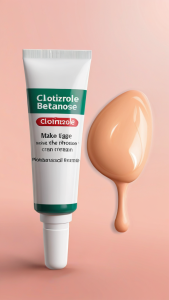
Understanding the Benefits and Uses of Clotrimazole Betamethasone Cream
Clotrimazole betamethasone cream is a medical product that combines two potent ingredients to treat various skin conditions, particularly those caused by fungal infections and inflammation. This cream is commonly used for conditions like athlete’s foot, ringworm, and other fungal infections, while also addressing symptoms such as redness, itching, and inflammation. Understanding its benefits and uses can help you make informed decisions when managing skin conditions.
The active components of clotrimazole and betamethasone serve different purposes. Clotrimazole is an antifungal agent that effectively inhibits the growth of fungi. It works by disrupting the cell membrane of the fungi, preventing their reproduction and leading to their eventual death. On the other hand, betamethasone is a corticosteroid that helps reduce inflammation and suppress the immune response. This means it can alleviate symptoms like itching, swelling, and redness, which are often associated with allergic reactions or irritation. When combined, these two ingredients create a powerful treatment option for complex skin issues.
Many individuals find clotrimazole betamethasone cream beneficial for several reasons:
- Rapid Relief: The combination of antifungal and anti-inflammatory properties offers quick relief from discomfort, allowing people to go back to their daily activities without the distraction of bothersome symptoms.
- Dual Action: By addressing both the infection and inflammation simultaneously, the cream can reduce the duration of treatment. This dual action is essential for more severe conditions that may not respond to single-agent therapies.
- Ease of Use: The cream formulation allows for easy application, ensuring that you can target specific areas affected by the condition. Its smooth texture makes it simple to spread over the skin.
- Proven Effectiveness: Numerous studies have shown that the combined formulation is effective in treating conditions like intertrigo and tinea corporis, leading to high levels of patient satisfaction with treatment outcomes.
When using clotrimazole betamethasone cream, it is important to follow your healthcare provider’s instructions carefully. The cream is usually applied in a thin layer to the affected area, and it should be gently massaged until fully absorbed. This should typically be done twice a day. However, treatment length may vary based on the specific condition being treated. Always avoid contact with your eyes, mouth, or any mucous membranes, as these areas can be sensitive to the corticosteroid component.
While many experience significant relief when using this cream, there are precautions to consider. First, it is not advisable to use it for prolonged periods without medical supervision as this could lead to skin thinning or a condition known as tachyphylaxis, wherein your body becomes less responsive to the treatment. It’s also crucial to consult your doctor if you have a bacterial skin infection or if you are pregnant or breastfeeding, as these factors may influence the suitability of this treatment.
Side effects, although rare, may include skin irritation, burning sensations, or an allergic reaction. If you notice any unusual or severe reactions after using the cream, seek immediate medical attention. Regular follow-ups with your healthcare provider can help monitor your skin health during treatment. They can also adjust your treatment plan if needed.
Clotrimazole betamethasone cream is an effective therapeutic option for various skin conditions characterized by fungal infections and inflammation. By providing symptomatic relief and treating the root cause, it enables patients to restore their skin health and improve overall quality of life. Always remember to consult with a healthcare professional before starting any new treatment to ensure it is appropriate for your needs.
Comparing Clotrimazole Betamethasone Cream to Other Topical Treatments
When it comes to treating various skin conditions, especially those involving fungal infections and inflammation, clotrimazole betamethasone cream stands out as a notable option. This combination medication merges the antifungal effects of clotrimazole with the anti-inflammatory properties of betamethasone, making it effective for several skin issues, including yeast infections, dermatitis, and eczema. Let’s explore how it compares to other topical treatments available in the market.
Active Ingredients and Their Benefits
Clotrimazole is an antifungal agent that targets fungi by disrupting their cellular membranes, effectively stopping growth and killing the infection. Betamethasone, on the other hand, is a potent corticosteroid that reduces inflammation and alleviates symptoms like itching and swelling. Together, they provide a dual-action approach, swiftly addressing both the root cause of the infection and its associated symptoms.
In comparison, other topical treatments may contain either antifungal or anti-inflammatory agents, but fewer combine both functions. For instance:
- Hydrocortisone cream: This is a common topical corticosteroid that reduces inflammation but lacks antifungal properties, making it less effective for fungal infections.
- Ketoconazole cream: This antifungal treatment is potent against various fungal infections, yet it does not tackle inflammation effectively like clotrimazole betamethasone can.
- Lotrisone (betamethasone/clotrimazole): Similar to clotrimazole betamethasone cream, this combo works effectively for both fungal infections and inflammation, offering a similar therapeutic profile.
Usage and Application
Using clotrimazole betamethasone cream is straightforward. Typically, it is applied to the affected area twice a day for a specified duration, depending on the severity of the condition. The cream should be rubbed gently into the skin until absorbed. Consistency is key, so following the prescribed schedule is crucial for the best results.
Other topical treatments come with varying instructions:
- Hydrocortisone: Generally applied one to three times daily, depending on the specific condition and strength of the cream.
- Ketoconazole: Often used once or twice daily for a limited period, particularly for fungal skin infections.
- Lotrisone: Recommended for use twice daily, similarly to clotrimazole betamethasone cream.
Effectiveness for Specific Conditions
Clotrimazole betamethasone cream is particularly effective for conditions like:
- Intertrigo (inflammation of skin folds)
- Fungal infections of the skin
- Eczema and dermatitis with a fungal component
While other treatments might work well for specific conditions, such as ketoconazole for candida infections, they may not address inflammation as comprehensively as clotrimazole betamethasone cream does. Therefore, when you’re dealing with skin inflammation coupled with fungal infections, this cream is often the more effective choice.
Side Effects and Considerations
Like all medications, clotrimazole betamethasone cream may cause side effects. Some users might experience mild irritation or a burning sensation at the site of application. Long-term use of corticosteroids can lead to skin thinning or other complications, so it’s important to use it as directed and avoid overuse.
Other topical treatments bring their side effects as well:
- Hydrocortisone: Prolonged use may result in skin thinning and increased risk of secondary infections.
- Ketoconazole: Systems absorption could lead to liver issues in rare cases, as it is absorbed more than topical treatments like clotrimazole.
- Lotrisone: Similar risks to those associated with clotrimazole betamethasone, with a focus on application duration and frequency.
Cost and Accessibility
Cost can be a deciding factor when choosing a treatment. Clotrimazole betamethasone cream may be slightly more expensive than standalone treatments but generally provides better value because of its combined efficacy. Many insurance plans cover this medication, making it accessible for patients who need both antifungal and anti-inflammatory properties.
While there are various topical treatments available for skin conditions, clotrimazole betamethasone cream offers a unique combination of antifungal and anti-inflammatory benefits. When selecting the right treatment for your needs, consider the specific condition, cost, and potential side effects to make an informed decision. By understanding the strengths and limitations of each option, you can better navigate your path to healthy skin.
Conclusion
Clotrimazole betamethasone cream emerges as a powerful ally for those dealing with skin conditions caused by fungal infections and inflammation. This combination medication not only tackles the root causes of skin irritations but also soothes and heals the affected areas, making it a versatile solution for a variety of dermatological issues. By understanding its benefits and uses, you can make informed decisions about your skin health and find relief from discomfort.
When comparing clotrimazole betamethasone cream to other topical treatments, it becomes clear why this particular cream stands out. Its dual action targets both fungal infections and inflammation effectively, whereas many other treatments may only address one aspect. This makes clotrimazole betamethasone cream a more comprehensive option, especially for individuals facing complex skin challenges.
While options abound for treating skin ailments, selecting the right product is crucial. Clotrimazole betamethasone cream not only offers relief but also simplifies treatment regimens as it combines two potent ingredients, leading to faster and more effective results. Engaging with your healthcare provider can ensure you’re choosing the best therapy tailored to your specific needs. By prioritizing effective skincare solutions like clotrimazole betamethasone cream, you are better equipped to reclaim your comfort and confidence, leading to healthier, happier skin.