
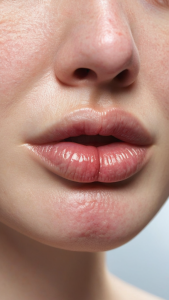
Understanding Lip Eczema: Causes, Symptoms, and Treatment Options
Lip eczema, also known as cheilitis, is a common skin condition that affects many people. It can cause discomfort and embarrassment due to its visible symptoms. Understanding lip eczema is essential for finding effective relief and treatment. This article will delve into the causes, symptoms, and available treatment options.
The causes of lip eczema can vary widely. One of the primary triggers is an allergic reaction to products, including lip balms, lipsticks, or toothpaste. Ingredients like fragrances, preservatives, and dyes can irritate the skin, causing eczema flare-ups.
Environmental factors also play a significant role. Cold weather, wind, and harsh sun exposure can dry out your lips, making them more susceptible to eczema. Additionally, licking your lips frequently can worsen the condition by removing natural moisture.
Another significant contributor is contact dermatitis, which occurs when your skin reacts to substances that come into contact with it. This includes common allergens found in foods, cosmetics, and even metals from jewelry. Maintaining a close eye on changes in the products you use may help you identify potential irritants.
There are also medical conditions that can lead to lip eczema. For instance, individuals with a history of eczema on other body parts are more likely to experience it on their lips. The skin’s overall health can be a powerful factor; dry or sensitive skin is more prone to the irritation that can provoke eczema.
Recognizing the symptoms of lip eczema early can lead to prompt treatment and relief. Typically, symptoms may include:
- Redness and swelling around the lips
- Cracking and peeling skin
- Itching or burning sensations
- Dry patches on the lip surface
- Flaky or scaly areas
In more severe cases, the symptoms may lead to bleeding, which can increase the risk of infection. If left untreated, lip eczema can become chronic, causing persistent discomfort. If you notice these symptoms, it’s essential to take action before the condition worsens.
Finding the right treatment can provide significant relief from lip eczema. A combination of at-home remedies and medical interventions can be effective. Here are some treatment options to consider:
- Moisturizers: Regularly applying a healing lip balm can help keep your lips hydrated. Look for products that are free from irritants and rich in emollients.
- Topical Steroids: Over-the-counter hydrocortisone cream may help reduce inflammation and irritation. However, use it sparingly and only for short periods.
- Avoid Allergens: If you suspect certain products are triggering your lip eczema, eliminate them from your routine. Patch testing new cosmetics can prevent future issues.
- Cold Compress: Applying a cold, damp cloth to your lips can provide immediate relief from itching and swelling.
- Oral Antihistamines: For allergic reactions, consider taking an antihistamine to reduce itching and irritation.
In more persistent cases of lip eczema, consulting a dermatologist is crucial. They can prescribe stronger treatments, such as topical immunomodulators, which can help control the condition. Furthermore, if your eczema is linked to an underlying health issue, addressing that condition is vital for effective treatment.
Prevention strategies are also essential to manage lip eczema. You can minimize flare-ups by:
- Maintaining healthy hydration levels by drinking plenty of water.
- Wearing protective lip balms with sunblock when outdoors.
- Using hypoallergenic products that are gentle on your skin.
- Avoiding excessive lip licking.
Lip eczema can be a troublesome condition, but understanding its causes, recognizing symptoms, and knowing the treatment options are vital for effective management. By adopting prevention strategies and being mindful of skin care products, you can alleviate the discomfort and keep your lips healthy.
Daily Habits and Lifestyle Changes to Manage Lip Eczema Effectively
Lip eczema, often characterized by redness, dryness, and irritation, can be frustrating to manage. However, with the right daily habits and lifestyle changes, you can effectively reduce flare-ups and maintain healthier lips. Let’s explore practical steps you can adopt to ease the discomfort associated with this skin condition.
Hydration is Key
Keeping your body hydrated is essential for overall skin health. Drinking enough water can help keep your skin, including your lips, moist. Aim for at least 8 glasses of water daily. You can also enhance your hydration routine by:
- Using a Humidifier: If you live in a dry climate or use indoor heating, consider adding a humidifier to your room. This will help keep the air moist and prevent your lips from drying out.
- Eating Water-Rich Foods: Incorporate fruits and vegetables like cucumbers, strawberries, and watermelon into your diet. These foods not only hydrate but also offer essential vitamins.
Choose Lip Products Wisely
What you apply to your lips matters. Look for products designed specifically for sensitive skin, avoiding those that contain harsh ingredients. Here are some tips for selecting the right lip products:
- Opt for Natural Ingredients: Look for lip balms made with beeswax, shea butter, or coconut oil. These natural ingredients are often more soothing.
- Avoid Fragrances and Flavors: Fragrances or flavorings can irritate your lips further. Stick to unscented and unflavored products.
Establish a Gentle Lip Care Routine
Creating and sticking to a gentle lip care routine can significantly improve your lip eczema. Start with cleansing and moisturizing.
- Cleanse: Gently clean your lips with a soft cloth or a mild soap. Avoid scrubbing, as this can worsen irritation.
- Moisturize Regularly: Apply a thick layer of lip balm, especially before bed. This provides a barrier to protect your lips overnight.
Avoid Known Triggers
Identifying and avoiding your specific triggers is crucial for managing lip eczema. Common triggers include:
- Certain Foods: Some people find that spicy foods, citrus fruits, or nuts can trigger their lip eczema. Keep a food diary to help identify any patterns.
- Allergens: Be mindful of allergens that may come in contact with your lips, such as pollen or certain cosmetics.
Modify Your Lifestyle Habits
Small lifestyle changes can have a big impact on managing lip eczema.
- Limit Lip Licking: While it may feel soothing, licking your lips can lead to further drying and irritation. Try to keep your lips moisturized instead.
- Wear Sunscreen: Protect your lips from sun damage by using a lip balm with SPF when you’re outside.
- Manage Stress: Stress can exacerbate skin conditions. Consider practicing mindfulness or yoga to help manage your stress levels.
Consult a Dermatologist
If your symptoms persist despite implementing these changes, it’s time to seek professional help. A dermatologist can provide personalized advice and may recommend prescription-strength topical treatments. They can also help you identify triggers specific to your condition.
Managing lip eczema requires patience and persistence. By focusing on daily habits and making thoughtful lifestyle changes, you can enjoy healthier, happier lips. Remember, your journey to preventing flare-ups is unique to you. Take the time to find which strategies work best for your skin, and don’t hesitate to reach out for help when needed.
Conclusion
Managing lip eczema can feel overwhelming, but gaining a solid understanding of its causes, symptoms, and treatment options is essential to finding relief. By identifying potential triggers—like allergens and irritants—you can take proactive steps to safeguard your lips. Treatment options may include the use of topical creams, moisturizing balms, and even lifestyle adjustments tailored to your needs.
Daily habits play a significant role in managing lip eczema. Simple changes, such as avoiding harsh lip products, drinking plenty of water, and maintaining a balanced diet, can greatly influence your skin’s health. Developing a gentle skincare routine and monitoring your environment for allergens can help you minimize flare-ups.
It’s crucial to be patient with yourself as you navigate this condition. Every individual responds differently to treatment. Thus, keeping a journal to track improvements or reactions can be a valuable tool in understanding what works for you. Prioritizing self-care and seeking guidance from skin specialists ensures you are equipped with the necessary resources to manage lip eczema effectively. Remember, you’re not alone in this journey; support is available, and with time and the right approach, you can achieve healthier, more comfortable lips. Fostering good habits and staying informed will empower you to take control of your lip eczema and boost your overall quality of life.